UK Fuel Retailers Put 'On Notice' by CMA Over Iran War Profiteering
The UK competition watchdog has issued a stern warning to fuel retailers, intensifying its scrutiny of pump prices amid fears of profiteering as the US war with Iran drives up wholesale costs. The Competition and Markets Authority (CMA) stated that firms operating thousands of filling stations across the country have been "put on notice" as part of a broader government crackdown to prevent businesses from ramping up profits at consumers' expense.
Enhanced Monitoring and Data Demands
The CMA announced it will require companies to provide detailed data on their revenue, costs, and sales, accelerating a review of fuel industry margins initiated shortly after the conflict began nearly two weeks ago. This move comes against a backdrop of volatile global energy markets, where oil prices surged past $100 (£75) a barrel on Thursday for the second time in a week. Widespread Iranian attacks on energy facilities and threats to block the Strait of Hormuz have overshadowed government efforts to release reserves, exacerbating price pressures.
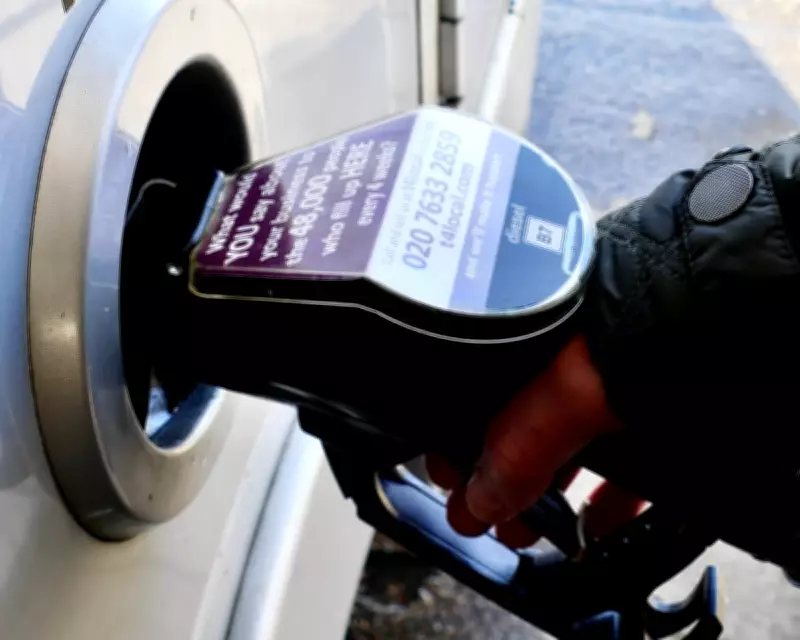
Petrol and diesel prices have risen sharply, alongside increases in home heating fuel costs. Experts warn that sustained rises in global oil and gas prices could trigger higher inflation in Britain, potentially derailing hopes for the Bank of England to cut interest rates at its next policy meeting. Figures from the RAC published on Thursday reveal that the average petrol price has increased by 5.5% (approximately 7p per litre) since US and Israeli warplanes began bombing Iranian targets, while diesel prices are up 11.1% (nearly 16p per litre).

Government and Regulatory Response
Chancellor Rachel Reeves emphasised earlier this week that the government will not tolerate companies exploiting the crisis to make "excess profits" and has tasked the CMA with heightened vigilance. Reeves is expected to hold meetings with fuel industry executives and energy companies, alongside Energy Secretary Ed Miliband, to underscore the government's expectation that drivers and households receive a fair deal.
The CMA acknowledged that businesses face significant pressures from rising energy costs, which may legitimately impact prices. However, it cautioned firms against exploiting the situation. The watchdog plans to analyse how quickly fuel prices rise and fall in response to wholesale cost changes, investigating potential evidence of "rocket and feather" pricing—where rapid price increases are followed by slower decreases. This scrutiny builds on concerns raised late last year when the CMA expressed "deep concern" over signs of overcharging by some fuel retailers.
Industry Challenges and Public Tools
Earlier this year, the government launched its fuel finder scheme, enabling drivers to compare real-time fuel prices via smartphones and online platforms. However, a minority of fuel retailers currently do not provide data to this service, limiting its effectiveness. Juliette Enser, the CMA’s executive director for markets, stated: "While price increases might be inevitable because of rising wholesale costs, it is important that those increases reflect genuine cost pressures. We will be closely scrutinising and reporting on what’s happening with fuel prices and call out any concerning behaviour."
This regulatory action highlights ongoing tensions in the fuel market as geopolitical conflicts disrupt supply chains and drive up costs. The CMA's proactive stance aims to balance legitimate business needs with consumer protection, ensuring transparency and fairness in pricing during a period of economic uncertainty.