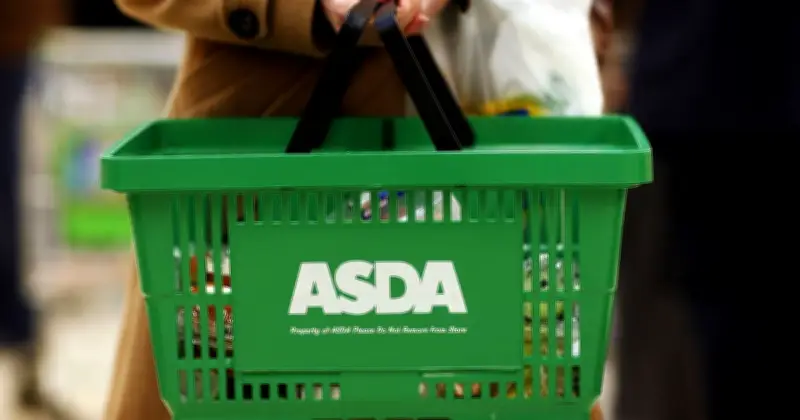
A law change governing supermarket price labels is now in force, affecting every major UK supermarket including Morrisons, Aldi, Tesco, Asda, Sainsbury's, and Waitrose. The reforms to the Price Marking Order 2004, introduced in April 2026, dictate how items must be labelled on shelves to make it easier for customers to compare products and identify the cheapest option.
Standardising Unit Pricing to Combat Shrinkflation
The updated rules standardise unit rates, outlawing the practice of mixing different measurements on the same shelf. Previously, some retailers displayed one product's price per kilogram and another per gram, making direct comparisons difficult. From now, all price labels must use kilograms, litres, metres, square metres, or cubic metres. This change aims to tackle 'shrinkflation', where manufacturers reduce product sizes or volumes while keeping the price the same or raising it, often confusing shoppers.
Last year, The Express reported that Asda was selling items in contravention of the legislation for several weeks until it updated its labels and issued an apology after the reporting. The new rules are designed to prevent such practices.

Loyalty Scheme Pricing Under Scrutiny
Loyalty schemes such as Tesco Clubcard and Sainsbury's Nectar Card are now governed by the new regulations. It is illegal to give 'undue prominence' to loyalty prices on shelf labels. Solicitors Herrington Carmichael stated: 'Where a product is offered at more than one price for example, a standard price and a loyalty price, traders must display both selling prices together and, where unit pricing applies, show the corresponding unit price for each. Traders should state the eligibility conditions clearly and next to the prices, for example, that the loyalty price is available with a valid loyalty card, and ensure neither price is given undue prominence.'
Extended Product Coverage
The law has been extended to include more packaged goods such as cereals, pasta, dried fruits, detergents, cleaning products, and cosmetics. Herrington Carmichael added: 'Obligations extend to more packaged goods including cereals, pasta, dried fruits, detergents, cleaning products and cosmetics. This is intended to support like for like comparisons on a wider range of everyday items.'
Exemptions and Blanket Reductions
The rules do not apply to smaller shops with a floor space of less than 280 square metres, so corner shops and convenience stores are exempt. Additionally, the law allows for blanket reductions—such as '20% off all paint'—without forcing retailers to change every individual label.
Herrington Carmichael concluded: 'The Price Marking Order 2004 is designed to ensure consumers can make informed purchasing decisions by requiring clear and transparent price information. This is particularly important where products are sold in different sizes, or where promotions, discounts, and loyalty pricing apply. The purpose behind the recent Price Marking Order reforms is to strengthen this transparency. The changes expand the scope of unit pricing to more product categories, clarify how selling and unit prices should be displayed where multiple prices apply, and introduce updated definitions, including a new requirement to display deposits separately.'