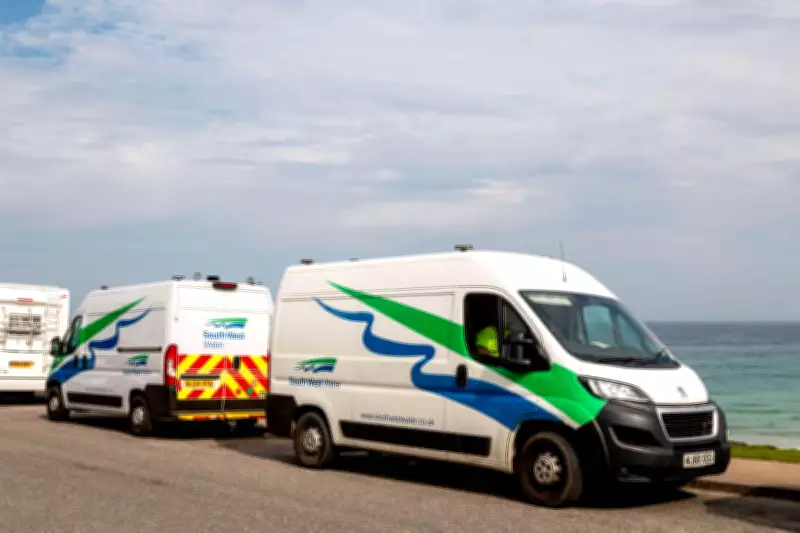
South West Water has been fined nearly £2 million for supplying water contaminated with the cryptosporidium parasite in Brixham, Devon. The outbreak resulted in 143 confirmed cases of illness, with hundreds of residents, including children, experiencing severe sickness and diarrhoea. Some individuals required hospital treatment due to the severity of their symptoms.
Impact on the Community
Over 16,000 properties in the Brixham area were issued boil water notices, with some restrictions remaining in place for up to 54 days. This caused significant disruption to daily life, as residents were unable to use tap water for drinking, cooking, or brushing their teeth without boiling it first. Many expressed frustration and anger over the prolonged inconvenience and health risks.
Origin of Contamination
The contamination is believed to have originated from a Devon farm, where the parasite entered the water supply through a damaged air valve. Investigations revealed that the valve had not been properly inspected since 2011, despite company policy requiring regular checks. This failure in maintenance allowed the parasite to infiltrate the public water system.

South West Water pleaded guilty to an offence under the Water Industry Act 1991. In court, the company expressed an "unreserved apology" and "genuine remorse" for the incident. The outbreak cost the company's owner nearly £40 million, including compensation and remedial measures.
Reactions from Residents
Residents of Brixham voiced their dissatisfaction with the fine, questioning whether justice had been served. One local said, "Where's the justice? A fine of £2 million seems inadequate given the scale of the suffering and disruption we endured." Others highlighted the emotional and financial toll the outbreak took on families and businesses in the area.
The company has since implemented additional safety measures to prevent a recurrence, including enhanced monitoring and maintenance of water infrastructure. However, the incident has raised broader concerns about the state of water infrastructure in the UK and the effectiveness of regulatory oversight.