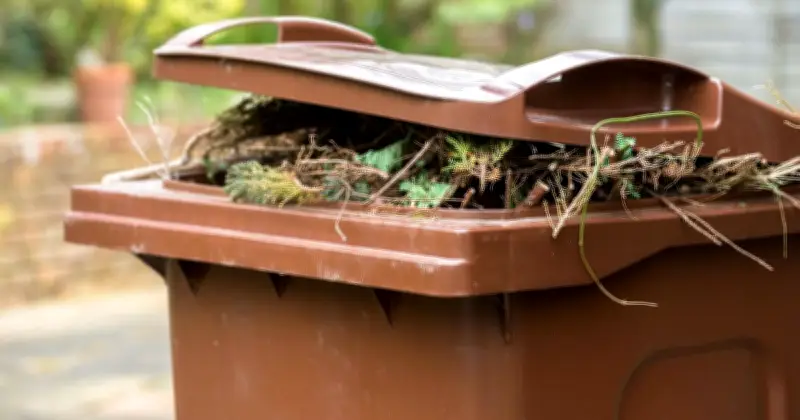
Households across the UK are being warned that putting the wrong items in their garden waste bin could result in fines of up to £5,000, as waste experts highlight common mistakes that can contaminate compost, damage machinery, or break the law.
Invasive Plants Pose Legal Risk
One of the biggest mistakes is disposing of invasive plants such as Japanese knotweed in garden waste bins. According to experts at Wheeldon Brothers, improper disposal of invasive species is a major legal risk. “You could face a fine of up to £5,000 if you dispose of these plants incorrectly. In some cases, you even need a licensed waste carrier,” they said. Gardeners are advised to follow official government guidance for disposing of invasive species to prevent them from spreading.
Soil and Pet Waste: Common Contaminants
Another common error is placing soil in garden waste bins. Soil is too heavy for standard collections and does not compost like grass cuttings or leaves. “Soil is heavy, doesn't compost in the same way as leaves or grass, and can cause serious wear and tear to collection equipment,” a waste expert explained. “It's also a big contributor to overloaded bins, which can be dangerous for workers and may lead to your waste being left behind.” Small amounts of soil can be reused or added to a home compost heap; larger quantities should be taken to a local recycling centre.

Pet waste should also be kept out of garden bins. Despite being biodegradable, animal waste can contain harmful bacteria and parasites that survive standard composting processes, risking contamination of entire compost batches.
Food Waste and Plastics: Disrupting Composting
Food waste, including fruit peel and tea bags, should be separated from garden waste. Kitchen scraps can attract vermin and disrupt the composting process. Where available, they should go into a dedicated food waste caddy or home compost bin.
Plastic plant pots, seed trays, broken garden tools, and rubble should never be placed in green bins. “A lot of people assume that because something came from the garden, it's suitable for the garden waste bin, but plastics and rubble are a big contamination risk,” Wheeldon Brothers said. “These materials don't break down, damage composting machinery, and can spoil entire loads of otherwise usable compost.” Gardeners are urged to check for hidden plastic items like plant labels and netting.
Expert Advice for Summer Gardening
Summing up their advice, Wheeldon Brothers stated: “We know it's not always clear what belongs in which bin, especially in the garden. But a bit of care goes a long way. Following the rules protects the environment and avoids unnecessary costs.” With many households spending more time gardening during summer, taking extra moments to sort waste correctly can help avoid fines, protect recycling services, and prevent costly mistakes.