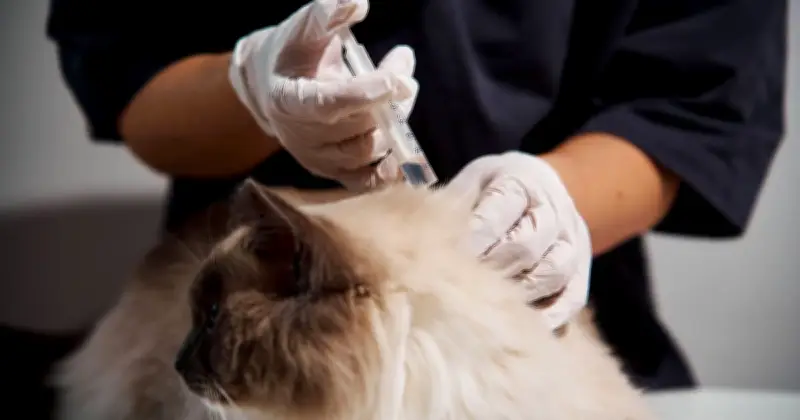
The Competition and Markets Authority (CMA) is introducing reforms intended to make veterinary costs more transparent and affordable, but an industry expert warns these measures could backfire and lead to higher prices.
Expert Warns of 'Race to the Top'
Eddie Holmes, founder of comparison website VetsCompared.com, cautioned that greater transparency might not lower costs as intended. Instead, he fears a "race to the top" where independent practices raise fees after seeing higher charges by corporate groups.
"The assumption is that greater price transparency automatically creates more competition and lower prices. But that's not always how markets work," Holmes said. "When cheaper independent practices can clearly see nearby corporates charging significantly more for the same consultation, some may conclude they've been undercharging for years and hike their own fees."

CMA Reforms Aim to Boost Competition
The CMA's proposals include requiring practices to display consultation prices more prominently and simplifying the process for pet owners to buy prescribed medicines elsewhere by capping prescription charges. The regulator argues this is necessary because veterinary practices act as both prescriber and retailer, creating potential conflicts of interest.
However, Holmes noted that medicine sales often subsidize other areas of independent practices. "Many independent practices use medicine income to help keep consultation fees lower while covering staffing costs, equipment, rent and out-of-hours services. If that revenue falls, they won't simply absorb the loss forever. They'll have to recover it somewhere else, and consultation fees are the obvious place," he explained.
Early Signs of Price Convergence
Recent sector research indicates that the price gap between independent and corporate practices has already started to close during the CMA investigation. Holmes believes this could be an early sign that transparency is encouraging independents to raise prices rather than forcing larger operators to lower theirs.
Risk to Independent Practices
Holmes expressed concern about the long-term survival of smaller practices under increased regulatory pressure. "If more decide to sell up, the most likely buyers will often be the larger corporate groups that already tend to charge higher prices. That could ultimately reduce competition rather than increase it," he warned.
He also questioned whether independent practices would want a larger client base if already operating near capacity. "Lower prices only make commercial sense if you've got room to see more patients. Many independents are already incredibly busy. Taking on extra work at underpriced consultation fees isn't necessarily good business," he said.
Potential Benefits Acknowledged
Holmes conceded that greater consumer price comparison, heightened competition, and reduced medicine costs could still deliver savings for pet owners. However, he urged that reforms be judged on real-world outcomes rather than stated aims. "Everyone wants better value and greater transparency for pet owners. The challenge is making sure the reforms don't accidentally produce the polar opposite result," he added.