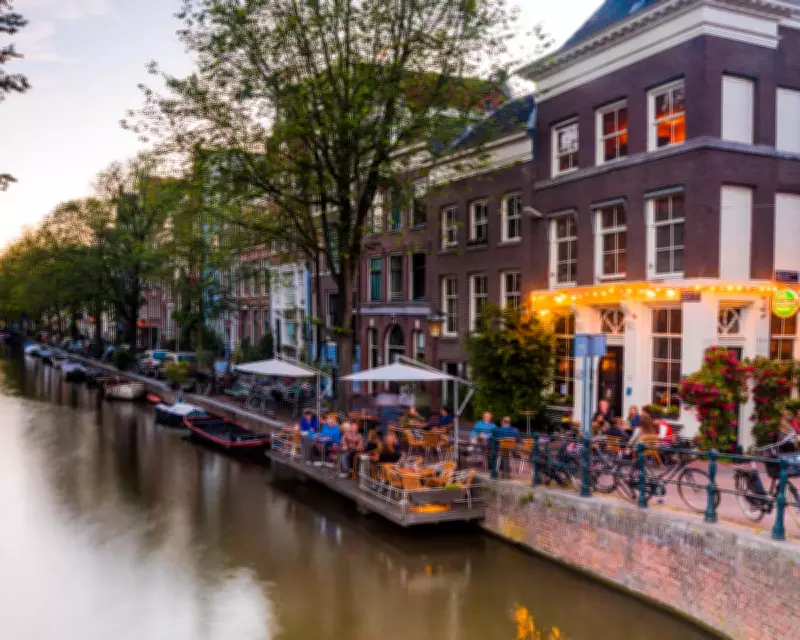
Amsterdam's Brown Bars: A Quest for Authentic Dutch Pub Culture
My search for the perfect brown bar in Amsterdam led me away from tourist traps and into the heart of the city's bruine kroegen. These cosy, dimly lit pubs are often described as the Netherlands' surrogate living rooms, offering a rustic charm that contrasts sharply with modern, high-energy venues.
What Defines a Brown Bar?
Brown bars, or bruine kroegen, are typically unassuming from the outside, making them easy to overlook. Inside, they feature plain dark-wood furniture, candles on tables, aged knick-knacks, and faded pictures. Dim lighting from antique-style lamps creates an intimate atmosphere, while tobacco-stained walls and ceilings—now often enhanced with dark brown paint since the 2008 smoking ban—give these venues their name.
Popular drinks include beers and jenevers (Dutch gins), accompanied by snacks like bitterballen (meat ragout croquettes), boiled eggs, and borrelnootjes (nuts with a crispy coating). Background music is crucial; soft vintage jazz is ideal, though some bars, like Cafe ’t Hooischip, occasionally play more modern tracks that can clash with the historic setting.

The Cultural Significance and Challenges
Originally all-male hangouts, brown bars now attract everyone, young and old, serving as hubs of Dutch culture and tradition. However, they face threats from rising rents, property prices, and competition from modern bars that generate higher income. Since 2010, it's estimated that over a quarter of brown bars in the Netherlands have closed, though those in central Amsterdam appear to be thriving, with hundreds still in operation.
A Bar Crawl Through Amsterdam's Best
Café ’t Smalle: Located in the Jordaan district, this bar boasts typical brown bar attributes, including a cute curved wooden staircase leading to a cubby-hole room above. The crowd is mainly Dutch, but it feels a bit too polished, and an English couple discussing their Ocado order disrupted the ambience. Rating: 7/10
Café Pieper: Dating back to 1665, this venue features intentionally wonky leaded windows to accentuate its historic feel. Inside, the small, low-ceilinged space seats about 25 and exudes gezelligheid (conviviality). Manager Chag Walvisch notes it's like a second home for regulars, with a strong contingent of young people. Rating: 8/10
In ’t Aepjen: One of Amsterdam's oldest bars, dating from 1519, it's named after monkeys that sailors once used to pay tabs. Located near Centraal Station, it offers a homely escape from touristy streets. Bartender Richard Krelekamp says there's no threat to brown bars here, with a mix of tourists and locals seeking authenticity over fancy cocktails. Rating: 8/10
Café Eijlders: Opened in the 1940s as a meeting place for artists and bohemians, this bar transports visitors back in time with dark brown and red decor. Soft jazz plays in the background, and it remains free of tourists despite its proximity to Leidseplein. Rating: 7/10
Café De Dokter: Amsterdam's smallest bar, with only 20 seats, it oozes character with dusty chandeliers and grimy clocks. Despite the terse service, the glasses are spotless, and sleepy vintage jazz adds to the authentic atmosphere. Rating: 9/10
Preserving a Dutch Tradition
Brown bars continue to be vital parts of Amsterdam's social fabric, offering a glimpse into Dutch heritage. While challenges persist, their enduring appeal lies in their ability to provide a welcoming, relaxed environment where locals and tourists alike can connect over simple pleasures. As more people seek genuine experiences over trendy alternatives, these surrogate living rooms may yet thrive for generations to come.