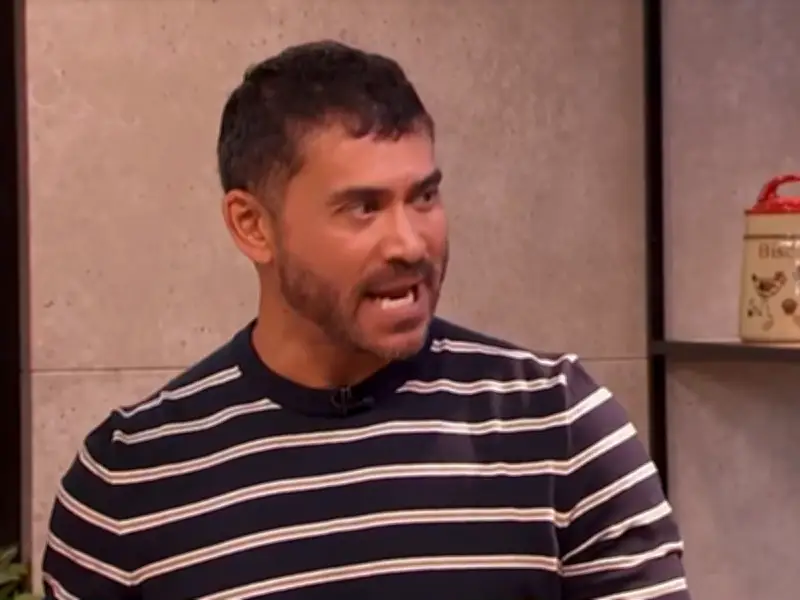
BBC expert Rav Wilding has highlighted a dangerous holiday scam where fraudsters befriend tourists, offer them a gift such as a wristband, and then aggressively demand payment. Speaking on BBC Morning Live, the former police officer warned that these scams are on the rise and can leave victims deeply traumatised.
Mr Wilding explained: 'They are sadly on the rise and there's a range of these different scams and techniques out there that criminals are using to get people's money. And listen, I just want to say if someone's got a holiday, they might have been saving all year for this. They might have been saving for several years for this holiday. And I don't want anything to ruin that for anyone that gets to go away at all.'
How the Scam Works
The scam often begins with a friendly approach. Mr Wilding described: 'Some of the techniques are quite old school actually. And we've seen a number of reports. You might see it on social media where people have gone abroad and someone's almost befriended them. says, 'Oh, you're my friend. I want to give you a gift. Here, have this from me, from me.' And they put something on them or give them something. Which then turns into a bit of a trick where the scammer or the person involved is actually trying to get money out of them.'

In a clip aired on the programme, a tourist was shown being targeted in Italy. The scammer placed a bracelet on the tourist, claiming friendship, then demanded money 'for my family in Africa.' The tourist responded: 'You just said don't worry about it. Something. You just said don't worry about it, bro.' The man persisted, repeatedly saying 'Yes something'.
Mr Wilding noted: 'We can see how the man's attitude changes really quickly. What happened there, actually gave this man the bracelet, said, 'You got to be my good friend here.' And as soon as it was on, you could see there from the clip he's actually asking for money saying no you got to give me money I need it money I need money for my family in Africa on this occasion and it had changed and the person there was asked to give them money which they didn't and on that occasion he was able to give the bracelet back and go away.'
He added: 'I know several people that have had much more frightening situations where it's turned nasty and aggressive and intimidating where this so-called free gift has changed and people say no you need to give me money if someone's offering you something for free would you think maybe.'
Photo Opportunity Scams
Beyond gifts, scammers also use photo requests. Mr Wilding warned: 'Well, it can be even more subtle than that. It can be I've been on holiday myself where people have come up and asked for a photo opportunity, for example, and if you were to take them up on that offer, then the demand for cash comes straight away and it can be quite aggressive. So, just be on the lookout for something like that.'
Survey Reveals Rising Concern
A survey by Opinium in May among 2,000 UK adults found that 34% of holidaymakers have noticed a rise in potential travel scams on social media over the past year. Seven in 10 (70%) are suspicious of promotional holiday emails due to scam fears. Half (50%) would prefer booking with online or high street travel firms that clearly outline customer safeguards against fraud. Additionally, 40% alter their behaviour on holiday due to financial safety concerns, according to research commissioned by emerchantpay.
George Ralchev, head of risk at emerchantpay, said holidaymakers are being targeted by social media scammers 'looking to take advantage of the peak travel season.'
Protecting Yourself from Holiday Scams
Holiday scams can include fake accommodation, flights, or excursions. Fraudsters often steal images from genuine websites and request payment via bank transfer. To avoid falling victim, holidaymakers should research whether a destination genuinely exists, seek independent reviews, and scrutinise website links. They should also verify if the company is a member of Abta, the UK travel agents' trade association, and check Atol financial protection for package holidays including flights.

Lisa Webb, a consumer law expert at Which?, advised: 'There are ways to help you spot fake holiday listings – such as using a reverse image search to check for stolen images or checking the property's location on an online map to see that it exists. Always book through official, trusted channels and avoid paying by bank transfer for anything advertised on social media.'
If you suspect you have lost money to a holiday booking scam, contact your bank immediately and report it to Report Fraud or Police Scotland.