Cruise Chaos in Gulf as US-Iran Conflict Disrupts Middle East Sailings
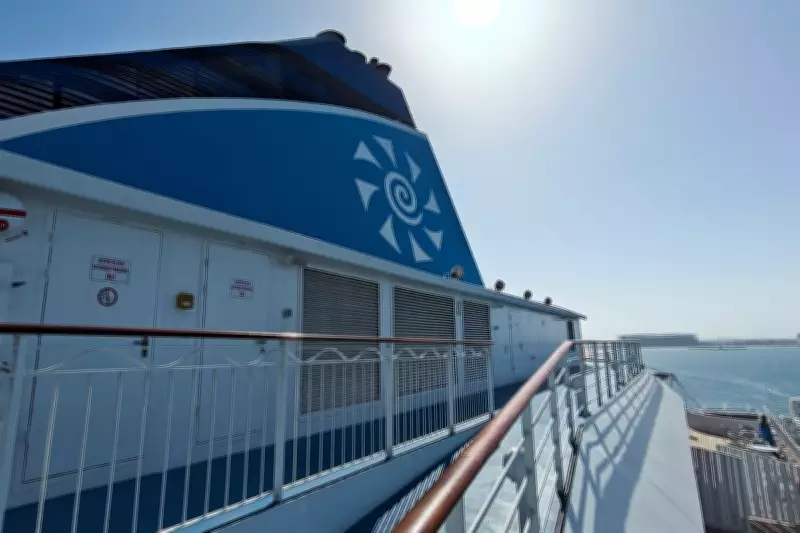
Thousands of passengers aboard cruise ships, including the Celestyal Discovery, Mein Schiff 4, and MSC Euribia, are being confined on board vessels as the conflict between Israel, the United States, and Iran escalates in the Middle East. Major cruise operators such as Celestyal, MSC Cruises, and Tui-affiliated Mein Schiff have all cancelled scheduled sailings around the Arabian Gulf this week, leading to significant travel disruptions and safety concerns.
Immediate Cancellations and Stranded Passengers
In a swift response to the volatile situation, cruise lines have halted departures from key ports. For instance, the Celestyal Journey and Celestyal Discovery were slated to embark on voyages from Dubai and Abu Dhabi today, but these routes have been abruptly cancelled. Instead, the Celestyal Journey will remain docked in Doha, Qatar, until at least 7 March, with passengers offered the choice to stay on board or disembark there. Meanwhile, the Celestyal Discovery is currently anchored in Dubai, where local authorities have prohibited disembarkation, leaving guests in limbo.
A spokesperson for Celestyal stated, "At present, in line with instructions from local authorities, we are unable to disembark guests. We are working closely with the relevant authorities and will begin disembarkation in Dubai as soon as permission is granted." The cruise line has pledged to assist with transfers to Abu Dhabi airport once clearance is provided, but with airspace closures affecting Dubai International Airport and Zayed International in Abu Dhabi, travel logistics remain complex.

Airspace Closures and Operational Challenges
The conflict has prompted several Gulf states to temporarily close their airspace, exacerbating the plight of stranded travellers. MSC Euribia, which was due to depart from Doha on Sunday, has been cancelled and is now stationed in Dubai. An MSC Cruises representative explained, "We are currently monitoring and reviewing all our operations in the region and we are in constant contact with the local and national authorities and relevant partners. All guests are being fully supported by us and where relevant by their air provider." Similarly, Mein Schiff has cancelled Gulf sailings scheduled for yesterday and today, with guests on Mein Schiff 4 and Mein Schiff 5 receiving ongoing care and support.
In a statement, Mein Schiff emphasised, "Our top priority is, and remains, the safety and well-being of our guests and crew. The Tui Cruises crisis team is working continuously and in close coordination with the relevant authorities, the Federal Foreign Office, the responsible embassies, international security experts and the security teams of our shareholders." All affected passengers are being offered full refunds or future cruise credits, and they are advised to consult directly with their travel providers for alternative arrangements.
Passenger Rights and Financial Protections
When cruises are disrupted, passenger rights can be less robust compared to airlines, particularly if delays or cancellations stem from external factors like geopolitical conflicts. However, protections exist, especially for those booking through ABTA-registered agents or cruise brands, such as Celestyal, MSC Cruises, and Tui. According to ABTA regulations, passengers facing significant delays are entitled to an alternative cruise or a refund, though this typically applies to prolonged disruptions—for example, over 12 hours on a 14-night trip.
If cancellations or delays necessitate overnight stays, cruise operators should provide free accommodation, either on the ship or ashore. With airspace closures and travel advisories against visiting the region, cruise lines are also expected to assist with flight rearrangements, particularly for package deals. To safeguard finances, experts recommend paying by credit card for Section 75 protection on purchases between £100 and £30,000, and securing travel insurance that covers cruises, including delays, cancellations, and medical emergencies.

Lucinda Faucheux, co-founder of Travel Support Circle, advises, "Being proactive and well-prepared is the best way to protect yourself if things don’t go as planned." Simon McCulloch of Staysure adds, "Understanding your rights and reviewing the small print on an insurance policy can make the difference between smooth sailing and a costly detour. It’s not about adding cost but about protecting your holiday from becoming a financial burden." Passengers are urged to retain all documentation, such as booking confirmations and communications, to navigate these challenges effectively.