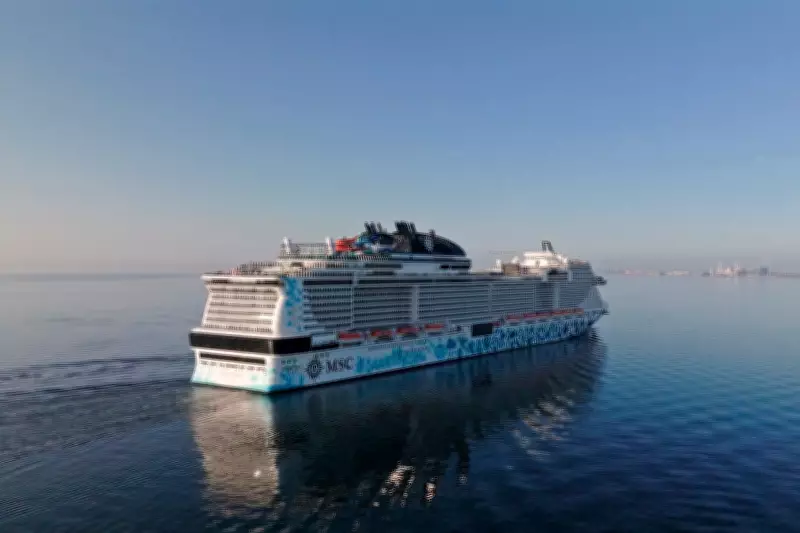
Cruise Chaos in the Gulf as US-Iran Conflict Escalates
Thousands of passengers are currently stranded aboard cruise ships in the Arabian Gulf, following the cancellation of sailings by major operators due to the ongoing conflict between the United States and Iran. With airspace gradually reopening in the United Arab Emirates, cruise lines are focusing on repatriation efforts, offering refunds and future credits to affected travellers.
Major Cruise Lines Cancel Sailings Amid Safety Concerns
MSC Cruises and Celestyal have both announced the early termination of their Arabian Gulf seasons, cancelling voyages scheduled through to the end of March. Passengers on ships such as the MSC Euribia, Celestyal Discovery, and Celestyal Journey have been offered full refunds or future cruise credits as compensation for the disrupted itineraries.
MSC Cruises has launched a dedicated flight operation, including five charter flights, to repatriate nearly 1,000 guests stranded in Doha, Qatar, by Saturday. A spokesperson for the company stated, "MSC Cruises has been working on the safest and quickest way to repatriate our guests and has taken decisive action to accelerate this by launching a dedicated flight operation." The line is also exploring commercial flights and government-assisted solutions for remaining passengers.

Similarly, Celestyal has cancelled scheduled cruises from Doha on 7 and 14 March, and from Dubai on 9 and 16 March. The cruise line is advising passengers of disembarkation plans within 24 to 48 hours, with onboard teams assisting with travel arrangements and embassy registrations. "We remain in contact with embassies and foreign offices to stay informed of any guidance or assistance," Celestyal said in a statement.
Passenger Rights and Financial Protections
Passenger rights for cruises can be less generous than those for airlines, especially when delays or cancellations are due to circumstances outside the operator's control, such as war. However, protections exist for those booking through ABTA-registered agents or brands, including MSC Cruises, Celestyal, and Tui.
- According to ABTA regulations, passengers affected by significant delays are entitled to an alternative cruise or a refund.
- If an overnight stay becomes necessary due to cancellations, operators should provide free accommodation, either on the ship or ashore.
- Cruise lines are expected to assist with flight rearrangements, particularly for package deals that include both sailing and air travel.
To safeguard finances, experts recommend:
- Paying by credit card for Section 75 protection on purchases between £100 and £30,000.
- Purchasing travel insurance that covers cruises, including delays, cancellations, and medical care, though specialist policies may be needed for war-related disruptions.
- Keeping all documentation, such as booking confirmations and communications with operators.
Lucinda Faucheux, co-founder of Travel Support Circle, advises, "Being proactive and well-prepared is the best way to protect yourself if things don't go as planned." Simon McCulloch of Staysure adds, "Understanding your rights and reviewing the small print on an insurance policy can make the difference between smooth sailing and a costly detour."
Future Operations and Regional Safety
Once passengers are disembarked, cruise lines aim to reposition their ships to the Mediterranean for the summer season, but this depends on the safety of navigating the Strait of Hormuz. The Foreign Office continues to advise against travel to the region, highlighting ongoing risks. As the situation evolves, passengers are urged to stay informed and utilise available support channels to ensure their safe return home.