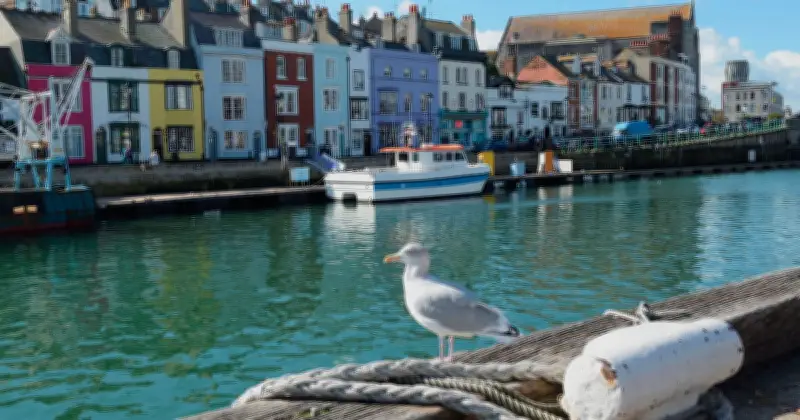
The Labour government's proposed tourist tax would be "another nail in the coffin" for Britain's seaside towns, according to industry expert Pete Brend, director of Brend Hotels. The Overnight Visitor Levy Bill, introduced in the May 2026 King's Speech, aims to implement a tourist tax across English towns and regions, giving mayors revenue-raising powers to target overnight accommodation including hotels, B&Bs, guesthouses, and holiday lets.
Concerns for Small Businesses and Domestic Tourism
While some authorities welcome the bill to mitigate overtourism, campaigners argue small and independently-owned businesses will be devastated by the tax. Areas such as Devon and Cornwall in the South West are expected to be hit hardest due to their reliance on domestic tourism. According to the Telegraph, Pete Brend stated: "The tourism levy would be another nail in the coffin of seaside towns dependent on tourism. Employment in these areas depends on the industry. Any added costs are just taking away the potential of any growth for businesses, therefore leading to higher rates of unemployment."
Brend added: "The Southwest mainly relies on domestic tourism. The concept of charging people who already pay council tax in the areas they live in an additional tax to stay overnight somewhere else in the country sounds absurd. I accept that charging a tourism tax for overseas visitors should be considered and would benefit cities such as London and Manchester, but it would have a limited effect on the Southwest’s economy."

Structure of the Tax and Regional Precedents
The exact structure of the tax will be determined locally, with tourism groups anticipating either a flat fee averaging around £2 per night or a percentage-based charge up to 5%. Similar levies already exist elsewhere in the UK. In Scotland, Edinburgh launched a tourist tax at a rate of 5%. In Wales, legislation was passed to allow a national tax on visitors set at £1.30 per person, per night, potentially as early as April 2027.
Manchester became the first UK city to launch a tourist tax for visitors in April 2023, with a £1 charge that raised £2.8 million in its first year. Then mayor Andy Burnham said: "The commitment to a new visitor levy will enable us to continue to support our thriving visitor economy and invest in the infrastructure to better support that growth, like later public transport, and making sure that everyone has a positive experience in Greater Manchester."
Revenue Allocation and Local Impact
Unlike national taxes, all revenue generated from the tourist tax stays within the local region and is reinvested into transport links, infrastructure, and public spaces. However, critics argue that the additional cost could deter domestic tourists, particularly in regions heavily dependent on tourism for employment and economic growth.