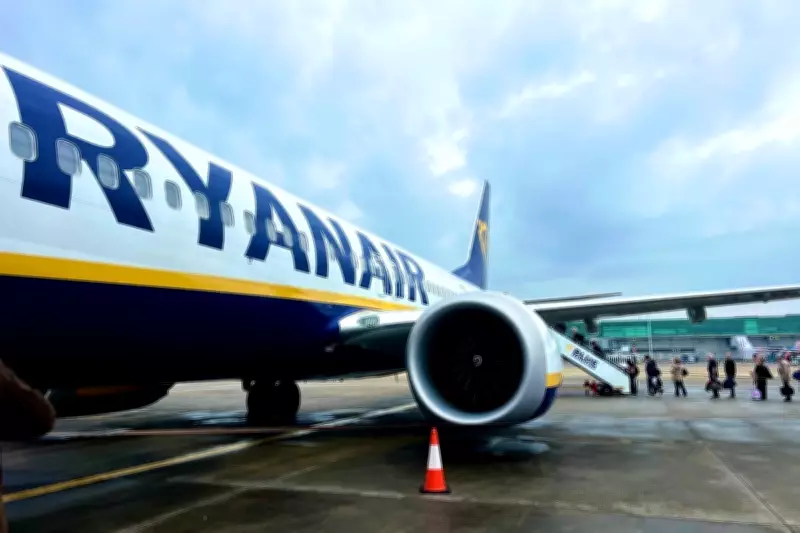
Ryanair has unveiled its summer 2026 flight schedule, marking a significant expansion with six new routes from various UK airports, despite recent cuts to its winter operations. This move aims to boost connectivity to popular European tourist destinations, reflecting the airline's strategic adjustments in response to market demands and regulatory challenges.
New Routes and Increased Frequencies
Glasgow Airport will benefit from two new routes: one to London Stansted and another to Warsaw Modlin in Poland. Additionally, Ryanair is increasing flight frequencies to Malaga in Spain and Krakow in Poland, enhancing options for travellers from Scotland. Leeds Bradford Airport is set to add new flights to Agadir in Morocco and Warsaw, with seven existing routes also receiving increased frequencies to accommodate higher passenger volumes during the peak summer season.
Expansion Across UK Airports
Bristol Airport will launch a new service to Bari, Italy, as part of its comprehensive 36-route summer schedule, offering travellers more direct access to southern Italy. Bournemouth Airport will gain a new connection to Trapani, Sicily, further diversifying Ryanair's network from the UK. These additions are designed to cater to the growing demand for leisure travel, particularly to sunny Mediterranean locales.

Context of Winter Schedule Reductions
This summer expansion follows Ryanair's decision in December to cut one million seats and 20 routes from its winter 2026/2027 schedule to Belgium. The reductions were prompted by an ongoing aviation tax dispute, highlighting the airline's need to adapt to regulatory pressures while maintaining profitability. By reallocating resources to summer routes, Ryanair aims to optimise its operations and focus on high-demand periods.
The announcement underscores Ryanair's dynamic approach to route planning, balancing seasonal fluctuations with strategic investments in key markets. Passengers can expect more options and flexibility for their summer travels, though the airline continues to navigate challenges such as taxation and competition in the aviation sector.