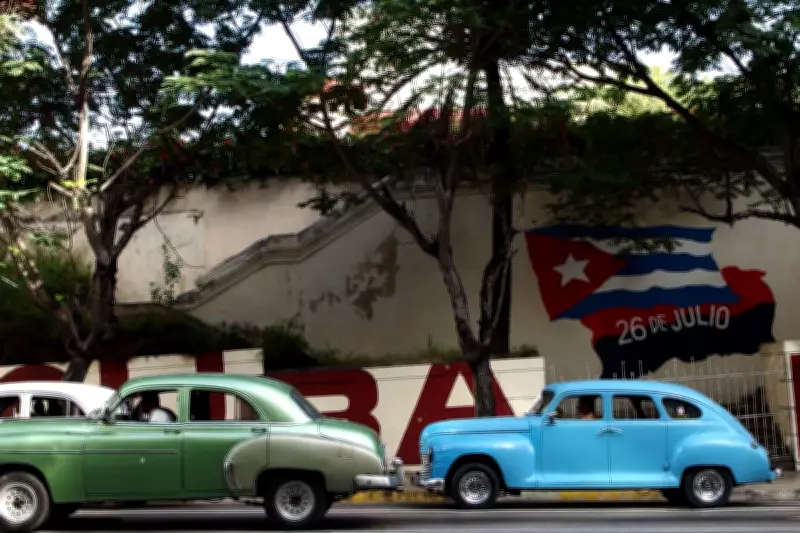
Cuba is grappling with a profound fuel crisis that has forced drivers to wait for several months to refuel their vehicles, a situation intensified by a US oil embargo. The government has mandated the use of the 'Ticket' app to book refuelling appointments, but this digital solution has failed to alleviate the severe shortages, leading to widespread frustration and economic hardship.
Extended Waits and Digital Struggles
In Havana, drivers report receiving refuelling slots through the Ticket app that are scheduled weeks or even months into the future. Some face virtual queues numbering in the thousands, highlighting the app's inability to manage the overwhelming demand. The crisis has transformed daily commutes into logistical nightmares, with many unable to secure timely access to gasoline.
Soaring Prices and Economic Strain
Fuel is now sold in US dollars at significantly inflated prices, exacerbating the economic burden on citizens. At official petrol stations, a litre costs approximately $1.30, while on the black market, prices can soar to as high as $6 per litre. This is particularly devastating given that the average monthly wage for government workers is under $20, making fuel unaffordable for many.

Drivers are further constrained by strict purchasing limits, allowed to buy only 20 litres of fuel per appointment, which is often insufficient for basic needs. The Ticket app also restricts bookings to one petrol station at a time, adding to the inconvenience and inefficiency.
Broader Societal Disruptions
The fuel shortage has triggered a cascade of disruptions across Cuban society. Banks have reduced their operating hours, flights have been cancelled, and major events have been postponed, crippling economic and social activities. In response, some citizens have shifted to alternative transportation methods, such as electric tricycles and bicycle taxis, though these options are limited in availability and scope.
International Condemnation
United Nations human rights experts have condemned the US oil siege, labeling it incompatible with international law. They argue that the embargo exacerbates humanitarian issues, restricting access to essential resources and violating the rights of the Cuban people. This international scrutiny adds a diplomatic dimension to the crisis, with calls for policy reassessments growing louder.
The combination of prolonged waits, exorbitant prices, and systemic disruptions underscores the severity of Cuba's fuel crisis, driven by geopolitical tensions and inadequate domestic solutions. As drivers continue to struggle, the need for effective interventions becomes increasingly urgent to mitigate the impact on daily life and the broader economy.