Cuban Drivers Endure Months-Long Fuel Queues via Government App Amid US Sanctions
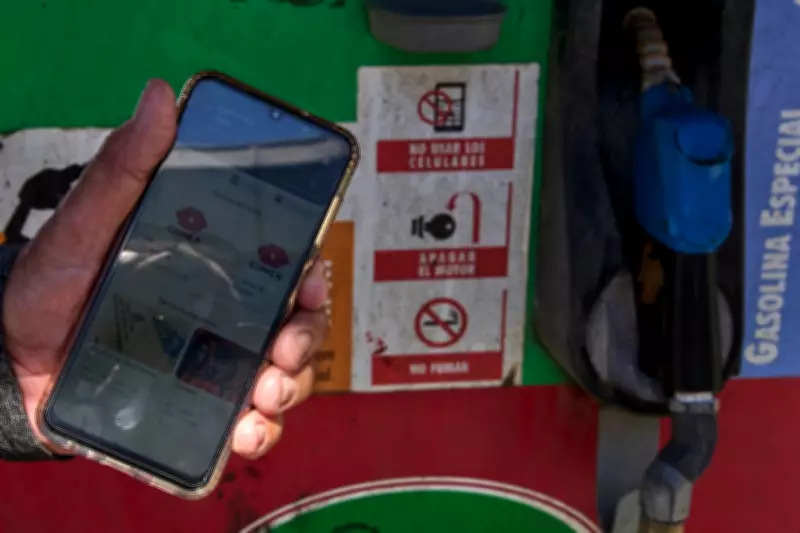
Drivers in Cuba are confronting the stark reality of waiting several months to refuel their vehicles, as acute fuel shortages intensify due to a US-led oil siege. To mitigate chaos at gas stations, the Cuban government recently mandated the use of an app called Ticket for securing refueling appointments. However, this measure has led to significant delays, with appointments scheduled weeks or even months in advance.
Appointment Backlogs and Driver Frustrations
In Havana, drivers reported to The Associated Press on Monday that the Ticket app is assigning appointments far into the future. Jorge Reyes, a 65-year-old resident, expressed his dismay after downloading the app and receiving an appointment number in the thousands. He signed up at a gas station in Havana that allocates only 50 appointments daily, leaving him uncertain about when he can next purchase gasoline.
The app restricts drivers to booking appointments at one gas station at a time, prompting some to use WhatsApp groups to share tips on less crowded locations or stations with higher daily capacities, such as those offering up to 90 appointments. Despite these efforts, many users face queues of up to 10,000 appointments ahead of theirs, offering little relief.

Economic Strain and Black Market Surge
Compounding the crisis, the Cuban government has halted sales of subsidized gasoline in local currency, which previously cost about 25 cents per liter. Now, fuel is sold exclusively in US dollars at $1.30 per liter at official stations, while black market prices can soar to six dollars per liter. With government workers earning less than $20 monthly when converted to US dollars at market rates, the cost is prohibitive for many.
When drivers finally secure an appointment, they are limited to purchasing 20 liters of gasoline, approximately 5.2 gallons. Ariel Alonso, a businessman who refueled at the El Riviera gas station on Monday, noted that this amount is insufficient, forcing him to reserve five liters for emergencies, such as transporting family members to the hospital.
App Functionality and Tourism Exceptions
The Ticket app, operated by state-owned software firm XETID, has been in use for three years, initially for appointments at notaries and gas stations accepting local currency. Saumel Tejada, the company's commercial director, told Cuba Debate last week that over 90,000 drivers have sought refueling appointments through the app, making it nearly the sole legal option outside the black market.
Vehicles in the tourism industry are exempt from these restrictions, with special license plates allowing refueling at 44 designated stations across the island. However, long lines persist at these locations, and tourism cars are also subject to the 20-liter purchase limit.
Deepening Crisis and International Context
Fuel shortages and blackouts have worsened in Cuba this month as the nation struggles to import oil for power plants and refineries. In late January, US President Donald Trump threatened tariffs on countries selling oil to Cuba, escalating pressure on the communist government to enact economic and political reforms.
Cuban President Miguel Díaz-Canel has expressed willingness to negotiate with the US "as equals" without compromising sovereignty, accusing the US of imposing an "energy blockade." Key oil suppliers have withdrawn support: Venezuela halted crude sales in January after the US captured former President Nicolás Maduro, and Mexico cut shipments following Trump's tariff threat.
To conserve electricity, banks on the island have reduced working hours, and the government announced it will not provide fuel to landing planes, leading three Canadian airlines to cancel flights to Cuba. Other airlines are making refueling stops in the Dominican Republic. Additionally, events like a book fair and cigar trade fair have been postponed to reduce fuel and electricity consumption.
Last week, a group of United Nations human rights experts condemned the US oil siege, stating it lacks a basis in collective security and violates international law.