Global shipping giant FedEx has taken decisive legal action, demanding its money back after the Supreme Court of the United States ruled that President Donald Trump's emergency tariffs were illegal. The company filed its lawsuit on Monday in the Court of International Trade, seeking a full refund of all duties it paid under Trump's controversial tariff plan.
Supreme Court Strikes Down Tariff Authority
Last week, the Supreme Court delivered a significant blow to the Trump administration's trade policy by striking down the tariffs. The court ruled that President Trump did not have the authority to impose sweeping global duties under the International Emergency Economic Powers Act, commonly known as IEEPA. This landmark decision has opened the door for companies like FedEx to challenge the financial burdens they incurred.
FedEx's Blunt Legal Filing
In its 11-page complaint, FedEx was remarkably direct about its intentions. The company stated, 'Plaintiffs seek for themselves a full refund from Defendants of all IEEPA duties Plaintiffs have paid to the United States.' FedEx argues that it was compelled to pay tariffs that the nation's highest court has now declared unlawful, and it insists on the return of every dollar.

The lawsuit does not specify the exact amount FedEx has paid in IEEPA tariffs since they were first imposed. However, given the company's extensive global operations, which involve moving goods across borders daily, these duties likely represent a substantial sum. Tariffs function similarly to taxes on imports, forcing companies to either absorb the extra costs or pass them on to customers. For a major transportation firm like FedEx, these expenses can accumulate rapidly.
First Major Corporate Lawsuit Post-Ruling
This case appears to be the first lawsuit filed by a major U.S. corporation following the Supreme Court's decision that specifically requests a refund. It could potentially set a precedent for a broader wave of refund claims from other large importers who also paid tariffs under the IEEPA authority. The outcome may influence how businesses respond to similar governmental actions in the future.
Political Tensions and Market Uncertainty
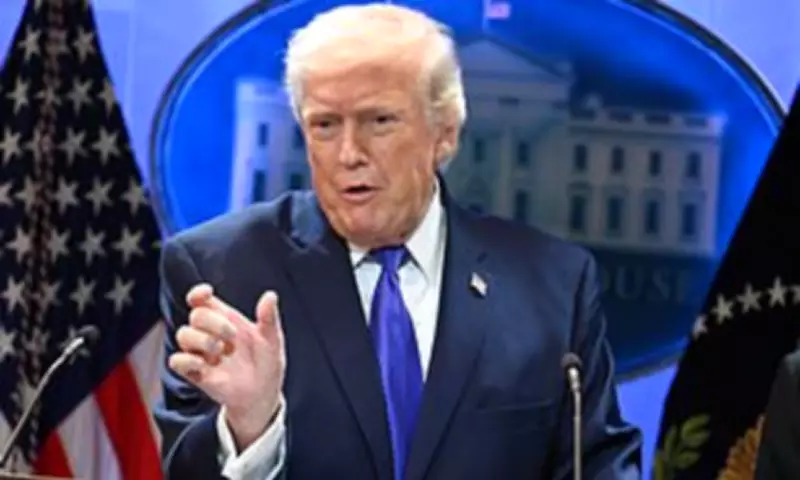
The legal battle unfolds amid heightened political tensions. President Donald Trump has vowed to raise global tariffs to 15 percent, just days after the Supreme Court struck down his earlier 'reciprocal' tariff plan. Trump has also publicly criticized Conservative Chief Justice John Roberts, labeling him 'unpatriotic' and a 'disloyal' member of the Court for voting against his policy.
This ongoing tariff uncertainty continues to rattle markets and businesses. Even after the Supreme Court ruling, Trump has signaled that he may pursue new duties under other trade laws, keeping investors and companies guessing about future developments. The situation underscores the volatile nature of current trade policies and their impact on the global economy.
FedEx's lawsuit highlights the significant financial and operational challenges faced by corporations navigating these turbulent trade waters. As the case progresses, it will be closely watched by industry leaders, legal experts, and policymakers alike, potentially shaping the landscape of international trade and corporate recourse for years to come.