FedEx Initiates Legal Action Against US Government Over Tariff Refunds
FedEx has launched a lawsuit against the United States government, demanding a complete reimbursement for tariffs levied under the administration of former President Donald Trump. This legal move comes directly after a landmark Supreme Court ruling last week, which declared these tariffs illegal, marking a significant challenge to Trump's trade policies.
Supreme Court Ruling Sparks Corporate Reimbursement Efforts
In a decisive 6-3 verdict, the Supreme Court clarified that Congress holds exclusive constitutional authority to impose taxes, rejecting the Trump administration's use of the International Emergency Economic Powers Act (IEEPA) to justify tariffs during peacetime. This ruling represents the first instance where the Supreme Court has overturned Trump's policies in his second term, undermining his assertions of executive power in reshaping US trade strategy.
While the court did not explicitly address whether businesses are entitled to refunds, FedEx has taken proactive steps to protect its rights as an importer. The company filed the lawsuit in the US Court of International Trade, naming defendants including US Customs and Border Protection (CBP), its commissioner Rodney Scott, and the United States of America. Although FedEx has not specified a monetary amount in its complaint, it seeks a "full refund" for duties paid, potentially setting a precedent for other major companies to follow suit in claiming a share of an estimated $175 billion in levies.

Political and Economic Repercussions of the Tariff Dispute
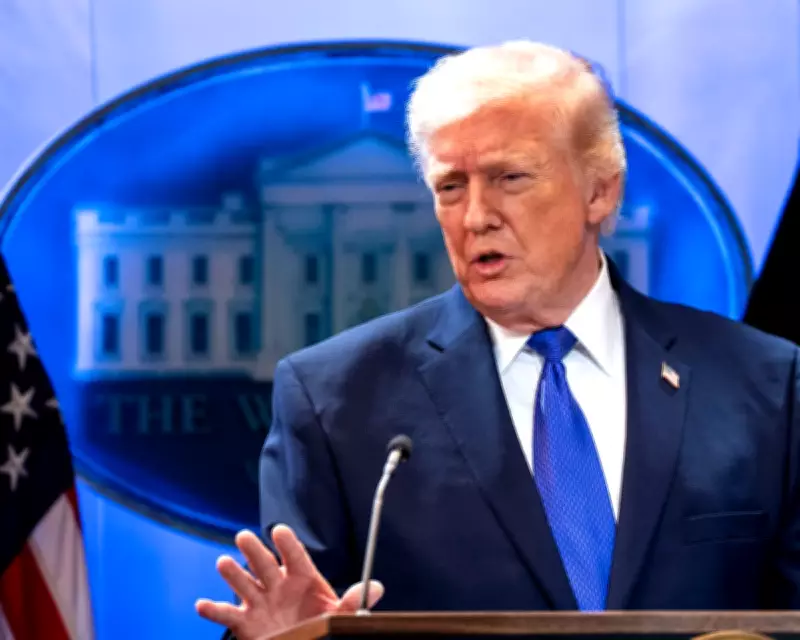
Trump has consistently defended tariffs as a cornerstone of his economic agenda, imposing import duties on goods from nearly every country worldwide. Following the Supreme Court decision, he swiftly criticized the ruling and announced new global tariffs under different statutes, initially setting a 10% rate before increasing it to 15% within 24 hours. Top US trade negotiator Jamieson Greer emphasized that the policy remains unchanged, arguing it provides US businesses with leverage in international trade.
In a dissenting opinion, Justice Brett Kavanaugh highlighted the potential financial impact, noting that refunds of billions of dollars could significantly affect the US Treasury. Meanwhile, Senate Democrats have advocated for refunds from illegally collected tariffs to benefit small businesses and urged larger corporations to pass any reimbursements on to consumers. According to the Tax Foundation, a conservative thinktank, these tariffs resulted in an estimated $1,000 tax increase per US household in 2025, contributing to higher prices, reduced goods and services, and negative effects on income, employment, and economic output.
This lawsuit underscores ongoing tensions between executive authority and congressional oversight in trade policy, with broader implications for US businesses and the economy.