Iran Closes Strait of Hormuz After US-Israel Military Strikes
Iran has reportedly shut down the strategic Strait of Hormuz in response to a joint military attack by the United States and Israel, according to multiple sources. The closure has triggered immediate disruptions to global energy markets, with oil majors and trading houses suspending crude oil, fuel, and liquefied natural gas shipments through the vital waterway.
Shipping Operations Halted Amid Security Concerns
Several tanker owners, along with major oil companies and trading firms, have paused all shipments after the US and Israel launched strikes against Iran. Tehran confirmed it had closed navigation in the area, as reported by trading sources to Reuters. "Our ships will stay put for several days," stated a senior executive at a leading trading desk, highlighting the cautious approach adopted by the industry.
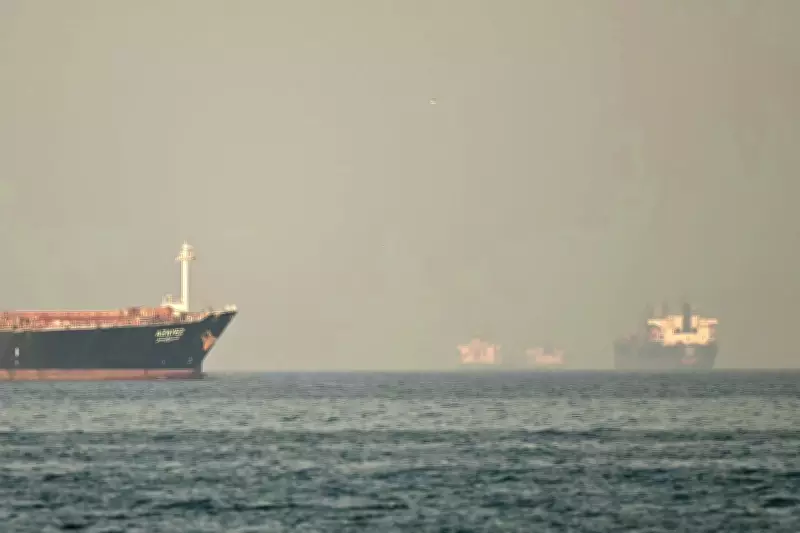
Satellite imagery from tanker tracking services revealed vessels accumulating near key ports, including Fujairah in the United Arab Emirates, with no movement through the Strait of Hormuz. An official from the EU naval mission Aspides informed Reuters that multiple ships in the region received VHF transmissions from Iran's Revolutionary Guards, declaring "no ship is allowed to pass the Strait of Hormuz."

International Responses and Legal Warnings
The United Kingdom's Navy responded by asserting that Iran's orders lack legal binding authority, advising vessels to proceed with extreme caution. Meanwhile, the tanker association INTERTANKO reported that the US Navy had issued warnings against navigation across a broad area encompassing the entire Gulf, Gulf of Oman, North Arabian Sea, and the Strait of Hormuz, citing an inability to ensure shipping safety.
Greece's shipping ministry also issued an advisory on Saturday, seen by Reuters, urging vessels to avoid the Persian Gulf, the Gulf of Oman, and the Strait of Hormuz. These collective warnings underscore the heightened risks and operational challenges faced by maritime operators.
Global Energy Supply at Risk
The Strait of Hormuz is a critical chokepoint for global energy supplies, facilitating approximately 20% of the world's oil from major producers such as Saudi Arabia, the UAE, Iraq, Kuwait, and Iran. Additionally, substantial volumes of liquefied natural gas from Qatar transit through this route.
Laura Page from the consultancy Kpler noted that fourteen LNG tankers have already exhibited signs of slowing down, executing U-turns, or stopping in and around the Strait. She warned that this number is likely to increase, posing significant risks to Qatari LNG exports and potentially exacerbating supply shortages in international markets.
Political and Military Context
The US and Israel initiated a major attack on Iran on Saturday, with former President Donald Trump issuing a stark warning that "bombs will be dropping everywhere" and urging the Iranian public to seize control of their destiny. This escalation has intensified geopolitical tensions, with Iran's retaliatory closure of the Strait of Hormuz marking a significant escalation in the conflict, directly impacting global trade and energy security.