Supreme Court Delivers Major Blow to Trump's Tariff Agenda
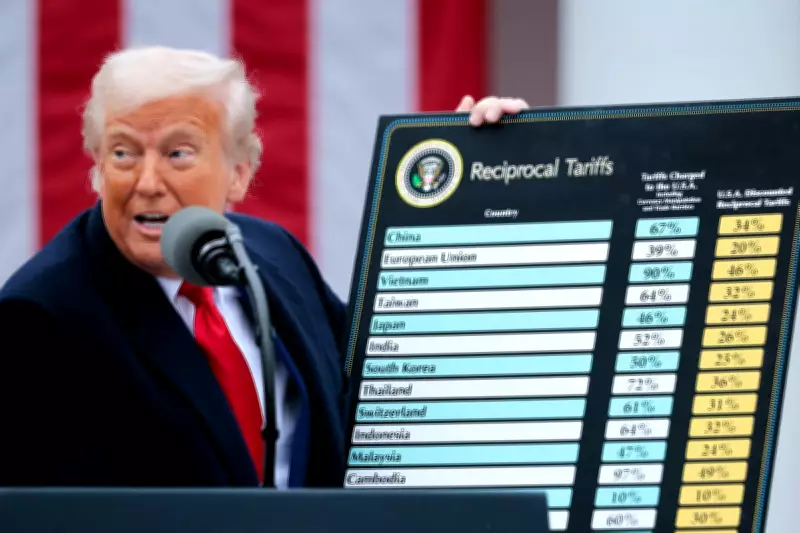
The United States Supreme Court has delivered a seismic blow to President Donald Trump's economic agenda, striking down his sweeping tariff plan in a landmark 6-3 decision. The ruling, released on Thursday morning, marks the definitive end of one of the president's signature economic initiatives that had created months of chaos with America's trading partners.
Justices Rule Tariffs Exceed Presidential Authority
In a decisive opinion authored by Chief Justice John Roberts, the court determined that Trump's global levies were unlawfully imposed under the 1977 International Emergency Economic Powers Act. This legislation permits the president to regulate trade only during "unusual and extraordinary" circumstances when a national emergency has been formally declared.
The president asserts the extraordinary power to unilaterally impose tariffs of unlimited amount, duration, and scope, Roberts wrote in the majority opinion. "In light of the breadth, history, and constitutional context of that asserted authority, he must identify clear congressional authorization to exercise it."

Roberts was joined by conservative Justices Neil Gorsuch and Amy Coney Barrett, along with the court's three liberal justices, creating an unusual ideological alignment on this critical trade matter.
Lower Courts Had Previously Sided Against Administration
The Supreme Court's decision affirms rulings from two lower courts, including the U.S. Court of International Trade, which had previously sided with businesses that sued the Trump administration. These courts had determined that the president had significantly overstepped his authority when declaring a national emergency to justify the tariff implementation.
The legal challenge centered on whether the 1970s-era emergency powers law genuinely granted the president the authority to impose such comprehensive tariffs without explicit congressional approval. The court's majority firmly rejected the administration's argument that this legislation provided sufficient legal foundation for the sweeping trade measures.
Trump's Reaction and Economic Implications
President Trump has yet to issue an official response to the Supreme Court's ruling. However, he had previously warned that the United States would be "SCREWED" if the justices ruled against his tariff agenda, highlighting the significance he placed on this economic policy.
The decision represents more than just a legal setback—it strikes at the heart of Trump's "America First" trade philosophy that had defined his approach to international commerce. The tariffs had been a cornerstone of his economic strategy, affecting billions of dollars in trade with multiple nations and prompting retaliatory measures from trading partners.
This ruling now leaves the administration without one of its primary tools for reshaping global trade relationships, forcing a reconsideration of how to advance its economic agenda through more conventional legislative channels or alternative executive actions that might withstand judicial scrutiny.