Police forces across England and Wales could find themselves in court over their use of live facial recognition technology, the Biometrics and Surveillance Camera Commissioner has warned. Professor William Webster stated that the system is not "fool proof" and that misidentified members of the public could sue for breaches of fundamental rights.
First Use at London Protest
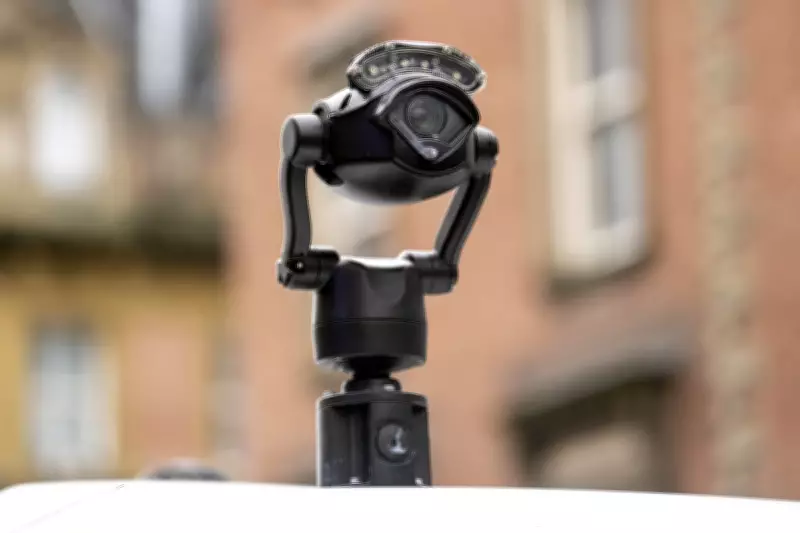
Live facial recognition is set to be deployed for the first time at a protest in London this Saturday. The Metropolitan Police will use the technology at the Tommy Robinson-led Unite the Kingdom rally. Cameras will be placed at a location off the march route but expected to be frequented by attendees.
This follows violent clashes at the previous Unite the Kingdom event in September, where over 50 suspects remain unidentified.

Watchdog's Warning
Professor Webster told the Press Association: "There's no escaping that the technologies are not fool proof. They will make mistakes, and the risk is that every time a mistake is made, a police force will find themselves in a court of law." He added that 40 different police forces could each make distinct errors, leading to legal challenges.
Individuals wrongly identified could bring cases against the police for infringing on privacy, freedom of movement, and freedom of association. "It's a predictive technology, it's not meant to be 100% accurate," Webster said, stressing the need for a clear legal framework.
Legal Framework Lagging
The legal basis for facial recognition is currently piecemeal, relying on common law, data protection, and human rights laws. The upcoming Police Reform Bill aims to establish a new legal framework, but concerns persist that legislation is trailing behind technological advances.
Webster noted that by the time the Bill becomes law, the technology may have evolved beyond facial recognition to include gait recognition, iris recognition, and other biometrics. "There is an absolute need for this legislative framework," he said, to clarify how police can use the tech and to reassure the public.
Government Defence
Home Secretary Shabana Mahmood has defended the rollout, arguing that "no true liberty" exists if people fear crime too much to leave their homes. Plans include expanding camera vans from 10 to 50, making them available to all forces in England and Wales.