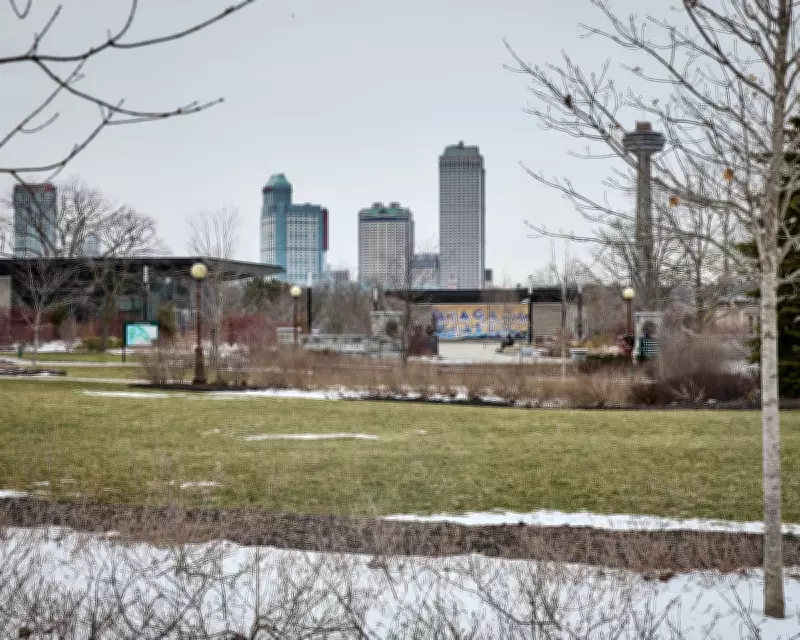
Trump's Policies Trigger Economic Crisis in US Border Communities
On a mild March weekend in Lewiston, New York, bakery owner Aimee Loughran meticulously decorates a state trooper badge-shaped cake for a retirement party. Her Just Desserts shop, nestled just 20 minutes from Niagara Falls, should be bustling with tourists. Instead, it epitomises a deepening economic crisis gripping American border towns, driven by a year-long boycott from Canadian neighbours.
Angered by former President Donald Trump's hefty tariffs and annexation threats, compounded by fears of border detentions and Immigration and Customs Enforcement crackdowns, Canadians have drastically reduced cross-border visits. This boycott has slashed tourist spending, with Loughran reporting a 30% revenue drop at her bakery. As a single mother, she has been forced to cut expenses both professionally and personally, highlighting the severe personal toll of this economic downturn.
Historic Reliance on Canadian Tourism Now a Liability
Lewiston's charming strip, dotted with cafes and historic 19th-century buildings, once thrived on Canadian day-trippers and weekend shoppers. Historically, Canadians crossed the border for cheaper essentials like milk and gas, as well as shopping at US-brand stores, taking advantage of favourable exchange rates and lower sales taxes. John Percy, CEO of Destination Niagara, recalls the 1990s when Canadians would change clothes in mall parking lots, leaving donations in bins—a testament to the fervent cross-border shopping culture.

This shopping enthusiasm persisted into the 2010s, with local malls like Fashion Outlets expanding to meet Canadian demand. Hotel owner Frank Strangio notes that Canadian license plates once dominated parking lots, with visitors spending weekends in hotels, dining out, and shopping. However, a stronger US dollar, rising inflation, and Trump's aggressive anti-Canadian rhetoric have ended this era. Strangio now sees boarded-up stores and has hired fewer staff due to declining Canadian visits.
Statistical Evidence of a Sharp Decline
Official data underscores the boycott's impact. In 2025, there was a 21% drop in Canadians entering New York state, with over 3 million fewer visits than the previous year, according to reports citing Governor Kathy Hochul's office. Personal vehicle crossings in the Buffalo-Niagara Falls area alone declined by 16.3%, a reduction of 717,118 trips last year, as per bureau of transport statistics figures.
A recent poll by the Globe and Mail newspaper reveals that only 9% of Canadians view the US as a trustworthy ally, with 51% cancelling American trips in response to Trump's comments. Percy observes unprecedented Canadian patriotism, noting that those who still cross the border often do so secretly, hiding their visits from friends and family.
Political Fallout and Local Adaptation Efforts
Niagara Falls mayor Robert Restaino expresses dismay at Trump's disparaging remarks about Canadians, such as suggesting they become the 51st state. He criticises these comments for setting a negative tone, exacerbating pain from tariff policies that Senator Chuck Schumer labelled a dagger aimed at upstate New York. In response, Destination Niagara has ceased advertising to Canadians, focusing instead on attracting American tourists from other states due to limited budgets.
Restaino is pivoting towards sports tourism as a more sustainable source, planning a $200 million events centre for cross-border games. However, with Canadian overnight stays for Buffalo Bills games declining, the long-term viability remains uncertain. Percy warns that losing international market share could take years to regain, threatening local tax revenues that fund essential services like police and infrastructure.
Broader Implications and Community Sentiment
The economic strain extends beyond businesses, affecting community morale. Judy, a 73-year-old co-owner of Antique to Chic, shares her anger and disillusionment, citing broader geopolitical concerns like the Iran war. Meanwhile, Trump voter Kathleen Stefik acknowledges the damage from his rhetoric, urging him to act presidential. The once-celebrated friendship symbolised by Lewiston's Peace Park now feels lost, with locals fearing permanent damage to cross-border relations.

As border towns struggle to adapt, there is no quick fix under the current administration. Restaino calls for federal recognition of these missteps, but with tensions persisting, the future of these communities hangs in the balance, reliant on a fragile tourism economy that may never fully recover.