Trump Escalates Tariffs to 15%, Starmer Scrambles to Protect UK Economy
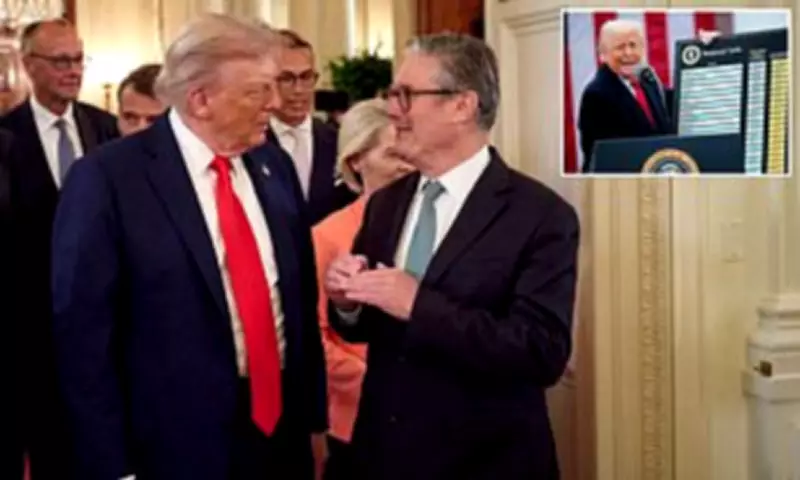
Keir Starmer is urgently mobilising efforts to prevent further damage to the UK economy from Donald Trump's latest tariff assault, which has seen rates surge to 15 per cent. This escalation comes after the US Supreme Court struck down the president's previous 'liberation day' reciprocal levies on Friday, prompting a swift and aggressive response from the White House.
Tariff Increase and Business Concerns
Initially, Mr Trump announced a new 10 per cent global levy, but he dramatically increased that to 15 per cent yesterday. Businesses across the UK have expressed alarm, warning that this move means many will now face higher tariffs than before the American legal system's intervention. Previously, the rate applied to the UK stood at 10 per cent, making this a significant jump that could strain trade relations.
British officials are cautiously optimistic that the changes might not affect preferential arrangements negotiated by the Prime Minister on critical sectors such as steel, cars, and pharmaceuticals. However, the situation remains fluid and uncertain, with ongoing assessments to determine the full impact.

Pressure for Concessions and Expert Reactions
The US administration is also intensifying pressure on the UK to make concessions in several key areas. These include chlorinated chicken, pharmaceutical costs, and regulations affecting tech firms, adding another layer of complexity to the trade dynamics between the two nations.
William Bain, head of trade policy at the British Chambers of Commerce (BCC), highlighted the severity of the situation. 'We had feared that the President's plan B response could be worse for British businesses, and so it is proving,' he said. 'This means an extra 5 per cent increase in tariffs on a wide range of UK goods exports to the US, except those covered under the Economic Prosperity Deal. This will be bad for trade, bad for US consumers and businesses, and weaken global economic growth. Businesses on both sides of the Atlantic need a period of clarity and certainty. Higher tariffs are not the way to achieve that.'
Paul Ashworth, chief North America economist for Oxford Economics, provided a blunt assessment to the Telegraph. 'For the UK that thought it had secured a more advantageous 10 per cent rate, this is something of an eff you,' he remarked, underscoring the frustration and surprise among economic analysts.
Legal and Political Context
Mr Trump had originally used 'emergency powers' to introduce the reciprocal tariffs in April, but this action was ruled illegal by the Supreme Court. In response, he has signed a presidential order to reinstate the global levies, though he must secure approval from Congress within 150 days to make them permanent.
In a statement posted on Saturday, the US President elaborated on his decision. 'Based on a thorough, detailed, and complete review of the ridiculous, poorly written, and extraordinarily anti-American decision on Tariffs issued yesterday, after MANY months of contemplation, by the United States Supreme Court, please let this statement serve to represent that I, as President of the United States of America, will be, effective immediately, raising the 10 per cent Worldwide Tariff on Countries, many of which have been 'ripping' the U.S. off for decades, without retribution (until I came along!), to the fully allowed, and legally tested, 15 per cent level.'
UK Government Response and Future Outlook
The UK Government has responded by expressing confidence in Britain's 'privileged trading position with the US' continuing despite the increased 15 per cent rate. A spokesman stated, 'This is a matter for the US to determine, but we will continue to support UK businesses as further details are announced. Under any scenario, we expect our privileged trading position with the US to continue and will work with the administration to understand how the ruling will affect tariffs for the UK and the rest of the world.'

As Keir Starmer and his team work to navigate this challenging landscape, the focus remains on safeguarding the UK economy from potential fallout. The coming weeks will be critical in determining how these tariff changes impact trade flows, business operations, and broader economic growth on both sides of the Atlantic.