In a significant shift in policy, former President Donald Trump has indicated a relaxation of the de facto oil blockade on Cuba, just as a Russian oil tanker under US sanctions approaches the island nation. Speaking to reporters aboard Air Force One, Trump stated, "If a country wants to send some oil into Cuba, right now, I have no problem whether it's Russia or not." This comment marks a departure from his administration's previous efforts to prevent all oil shipments to Cuba, aimed at pressuring the Havana government.
Russian Tanker Brings Critical Relief
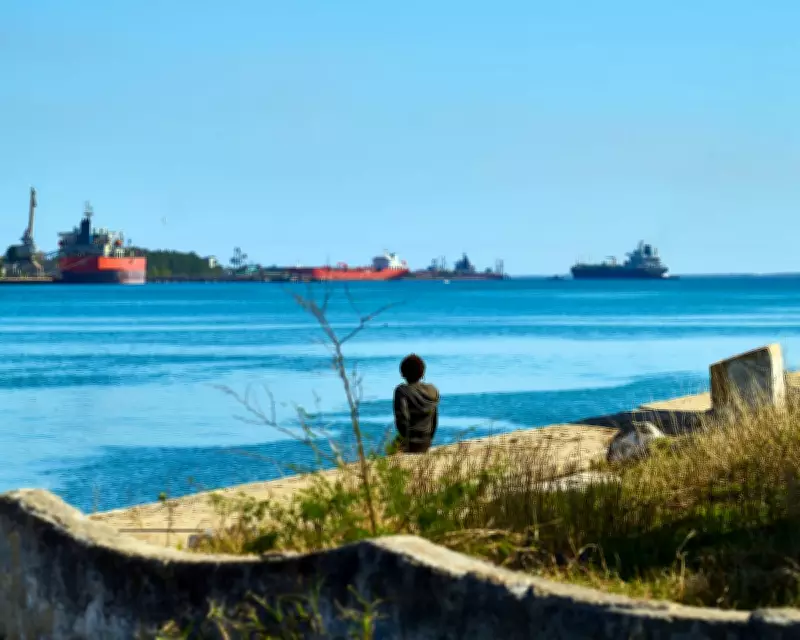
The Russian tanker Anatoly Kolodkin, carrying 730,000 barrels of crude oil, is en route to Matanzas Bay in Havana, Cuba, according to tracking services MarineTraffic and LSEG. This shipment could provide substantial relief to Cuba, which has not received oil imports for three months, as reported by President Miguel Díaz-Canel. The energy crisis has led to strict gasoline rationing, soaring fuel prices, reduced public transport, and multiple power outages across the Caribbean island.
Background of the Oil Blockade
Until now, Trump's administration had effectively blocked all oil shipments to Cuba, part of a broader strategy to exert pressure on the government. This included threatening tariffs on countries sending oil to Cuba and even musing about "taking" the island. The blockade intensified after US forces captured Venezuela's president, Nicolás Maduro, in January, cutting off Cuba's main regional ally and oil supplier.

Jorge Pinon, an energy expert at the University of Texas at Austin, expressed surprise that the US did not intercept the Russian tanker before it neared Cuban waters. He noted that once the vessel enters Cuban territory, it "is almost impossible for the US government to stop it." The New York Times reported that the US decision to allow the shipment may stem from concerns about escalating tensions with Russia if force were used to block the tanker at sea.
Impact on Cuba's Economy and Daily Life
The US oil blockade has forced Cuba to implement emergency measures, including strict fuel conservation and rationing. This has exacerbated an already fragile economy, with public transport dwindling and some airlines suspending flights to the island. According to Pinon, the Russian shipment could be converted into 250,000 barrels of diesel, covering Cuba's demand for approximately 12.5 days, offering a temporary reprieve from the crisis.
The situation in Cuba has become dire, with reports of children begging in streets filled with rubbish and severe shortages of water and electricity. Despite these hardships, many residents remain resilient, refusing to leave the island. The arrival of the Russian oil tanker could mitigate some of these challenges, though long-term solutions remain uncertain.
Global Implications and Future Outlook
This development highlights the complex geopolitical dynamics involving the US, Russia, and Cuba. Trump's apparent flexibility may signal a shift in US foreign policy towards the island, potentially easing tensions. However, the broader implications for international trade and sanctions enforcement remain unclear, as the US continues to navigate relations with both Cuba and Russia.
With contributions from Reuters and Agence France-Presse, this story underscores the ongoing struggles in Cuba and the role of global powers in shaping its energy future. As the Anatoly Kolodkin nears its destination, all eyes are on how this shipment will impact Cuba's immediate needs and the broader diplomatic landscape.