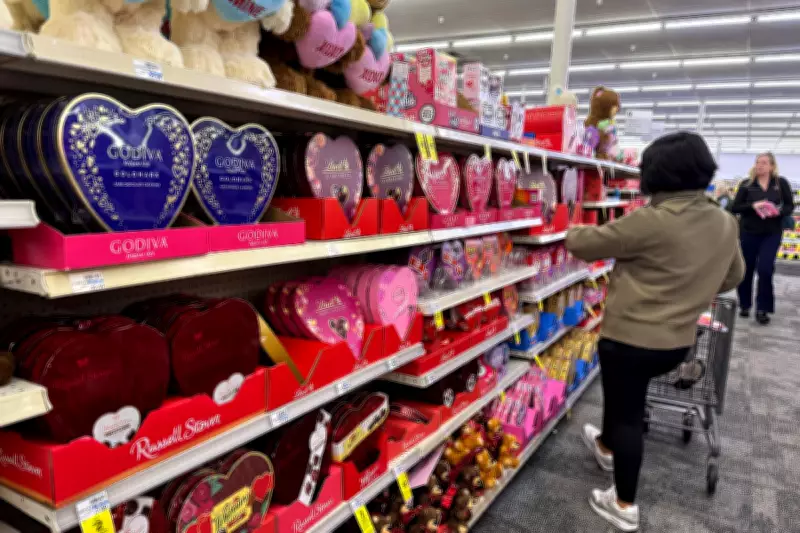
Valentine's Day chocolate is delivering a bitter financial blow to romantics across the United States this year, with prices for boxed assortments skyrocketing despite a significant drop in global cocoa commodity costs. A new analysis reveals that the average price of these sweet gifts has climbed by 11.8 percent since February 2025, with some products nearly doubling in cost, turning the traditional gesture of affection into an expensive endeavour.
The Cocoa Price Paradox
Not many commodities have experienced as dramatic a reversal as cocoa in recent months. After soaring to unprecedented heights, peaking at a staggering $10,000 per metric ton in May 2025—far above the $2,500 to $3,000 range typical through the 2010s—cocoa prices have been in sharp decline. Reports indicate a drop of nearly 30 percent in the past month alone as supply conditions have begun to ease following years of tightness that severely impacted West African exporters.
However, this market correction is providing little immediate relief to consumers. The chocolate lining supermarket shelves and filling Valentine's gift baskets this season was manufactured using cocoa purchased at those record-high rates. This critical time lag means that the benefits of falling commodity prices are not yet translating to cheaper confectionery at the checkout.

Manufacturing Hedges and Retail Realities
Major chocolate producers like Mondelez, the company behind Cadbury and Toblerone, and Hershey employ sophisticated hedging strategies, purchasing cocoa months in advance to shield themselves from volatile market swings. Consequently, these corporations are still paying above the current spot-market rates for their raw materials. This disconnect between wholesale cocoa costs and retail chocolate pricing severely limits the amount of savings that can be passed on to shoppers in the short term.
Mondelez CEO Dirk Van de Put recently informed investors that while little can be done to alter the situation for this Valentine's Day, the 2027 season should see tangible benefits from the current price drops. Similarly, Hershey's CEO Kirk Tanner noted that last year's price increases did not fully offset the cocoa price inflation experienced in 2026, suggesting that if the downward trend continues, further price hikes may be avoided in the future.
The Lingering Impact of Trade Policy
Trade policy has also played a substantial and complicating role in this year's elevated chocolate prices. Several manufacturers have pointed to inventory acquired under the Trump administration's tariffs as a significant contributor to their ongoing cost burdens. While some relief arrived in mid-November 2025 when tariffs on cocoa beans, paste, and butter were lifted—benefiting companies like Ghirardelli and Hershey—the impact remains uneven.
According to analysis from the Progressive Policy Institute, a centrist think tank based in Washington, D.C., imported brands such as Cadbury, Valrhona, Nestlé, and Lindt continue to shoulder an additional 15 percent cost due to these policies. This tariff disparity adds another layer of complexity to the pricing landscape, ensuring that not all chocolate makers are on a level playing field.
Consumer Resilience and Market Outlook
Despite these compounded pressures—including weather-driven supply shortages and modest declines in confectionery employment—consumer demand for Valentine's Day chocolate appears remarkably resilient. Projections indicate that overall spending for the occasion is expected to rise by a substantial $1.4 billion, demonstrating that the tradition of gifting chocolate remains deeply entrenched, even at a premium.
The current scenario underscores a broader lesson in global supply chains and economic policy: rapid shifts in commodity markets do not instantly reset retail prices. For love-struck consumers hoping for a sweeter deal, patience may be the ultimate virtue, with significant price relief potentially waiting until the 2027 Valentine's season, when the full effect of today's falling cocoa costs should finally be felt in the confectionery aisle.