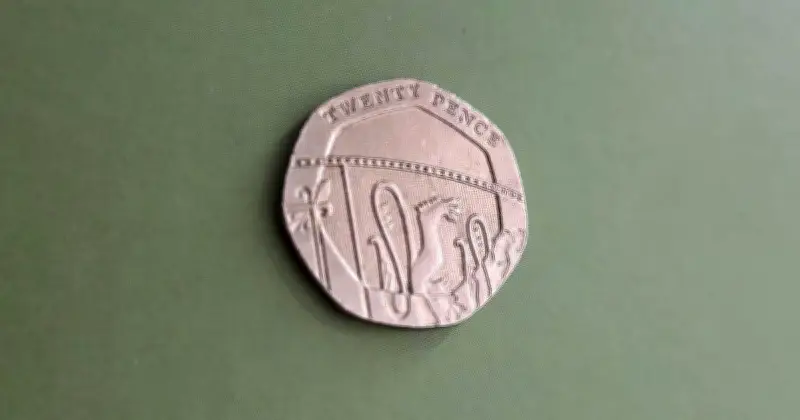
Motoring experts warn UK drivers to use a 20p coin to check tyre tread depth or risk fines up to £10,000 and 12 penalty points. The simple test can prevent accidents and legal penalties, especially during the current heatwave with temperatures reaching 35°C.
Why the 20p Test Is Crucial in Hot Weather
Hot weather stresses vehicles by overloading cooling systems, accelerating battery fluid evaporation, and increasing tyre blowout risk as air expands. Tyres are the only contact point with the road, making tread depth critical for safety. The legal minimum tread depth in the UK is 1.6mm across the central three-quarters of the tyre.
National Highways, as part of its TRIP campaign, demonstrates the test: insert a 20p coin into the main tyre grooves. If the outer band is hidden, tread is legal; if visible, the tyre may be below the limit and needs inspection or replacement. Drivers should check multiple points on each tyre due to uneven wear.

Penalties for Illegal Tyres
Driving with tyres below the legal tread depth is a criminal offence. According to the RAC, drivers face a fine of up to £2,500 and three penalty points per illegal tyre. If all four tyres are worn below the limit, the consequences escalate: a potential court summons, licence loss, and a £10,000 fine.
The RAC states: "If you are involved in an accident and the car you are driving has illegal or bald tyres, you should be aware of the consequences. Any insurance claim as a result of an accident could be invalidated."
How to Perform the 20p Tyre Test
The test is straightforward. Insert a 20p coin into the main tread grooves. If the outer band is hidden, the tread depth is legal. If visible, the tyre is likely below 1.6mm and should be replaced immediately. The AA advises checking tread often, as proper tread depth helps braking distance.
Drivers should also inspect tyre walls for cracking, bulging, or damage. The AA notes that new tyres start with about 8mm of tread, and replacement is recommended at 3mm for safety.
What Is Tyre Tread and Why It Matters
The AA explains: "Tyre tread is the rubber part of the tyre that makes contact with the road surface – it's located all around the circumference of the tyre. As tyres are used, the tread slowly wears off, reducing the traction between them and the road." Adequate tread is essential for water drainage, traction, and safe stopping distances.
The RAC warns: "Driving a car with bald tyres can risk a fine of £2,500 and three penalty points. That's per tyre, too." With four illegal tyres, the total penalty could be £10,000 and 12 points.
Additional Tips for Hot Weather Driving
Beyond tyre checks, drivers should ensure coolant levels are adequate, battery condition is good, and tyre pressures are correct for the load. The AA recommends checking tyres before long journeys and monthly once tread wears to 4-5mm.
National Highways' TRIP campaign urges all motorists to perform the 20p test regularly, especially in extreme weather. Ignoring this simple check can lead to severe financial and safety consequences.