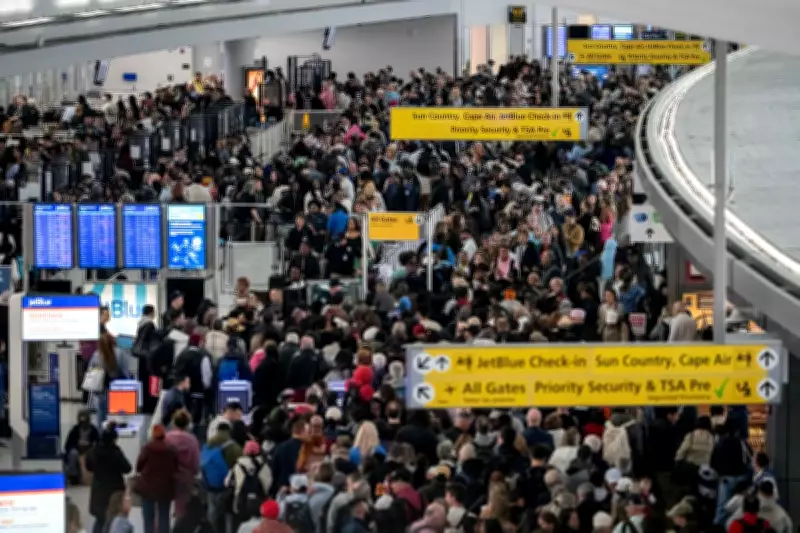
U.S. airports are grappling with severe security delays, with wait times stretching up to four hours, as a spring break travel surge collides with a crippling Department of Homeland Security funding shutdown. The situation has left 50,000 Transportation Security Administration officers unpaid for nearly 40 days, triggering a staffing crisis that is disrupting air travel nationwide.
Staffing Shortages Worsen as TSA Officers Quit
In a dramatic escalation of the shutdown's impact, over 450 TSA agents have resigned from their positions, unable to sustain themselves without pay. Compounding the problem, more than 3,000 officers have called out sick or taken leave, exacerbating critical staffing shortages at security checkpoints across the country. This exodus and absenteeism have directly contributed to the extended delays, leaving frustrated travelers facing lengthy queues before they can even board their planes.
ICE Agents Deployed to Major Airports
In an unprecedented move to address the security gaps, Immigration and Customs Enforcement agents have been deployed to at least 14 major airports, including key hubs such as Atlanta and Chicago. These ICE personnel are assisting with security screenings and other operational duties, a temporary measure aimed at mitigating the TSA's depleted workforce. The deployment underscores the severity of the staffing crisis and the federal government's scramble to maintain airport security standards.

Political Stalemate Complicates Resolution
Lawmakers are currently engaged in negotiations to end the DHS shutdown and restore funding, but the process has been complicated by political maneuvering. Former President Donald Trump has linked the passage of the necessary bill to a GOP-backed voting measure, injecting partisan tension into the discussions. This linkage has stalled progress, prolonging the uncertainty for TSA officers and travelers alike, as the shutdown enters its fortieth day without a clear resolution in sight.
The combination of unpaid TSA staff, mass resignations, and political gridlock has created a perfect storm for airport chaos, with delays expected to persist until funding is secured and staffing levels stabilize.