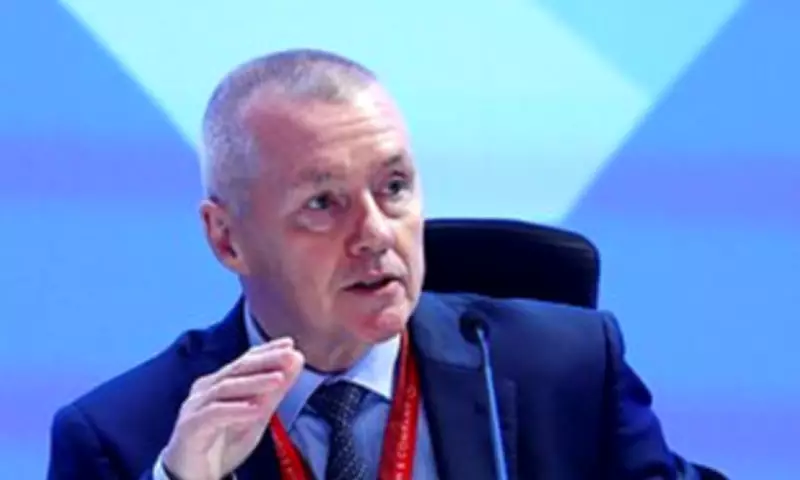
Air fares are experiencing a dramatic surge as the crisis engulfing airlines, sparked by the Iran war, is being described as 'akin to post-9/11' by a prominent global aviation chief. Speaking at an industry summit in Brussels, former British Airways boss Willie Walsh delivered a stark warning about the immediate and severe impacts on travellers.
Transatlantic Flights Hit Hardest and Fastest
Willie Walsh, now the head of the International Air Transport Association (IATA), highlighted that tickets for US-UK transatlantic flights would be the worst and quickest affected by the escalating situation. He clarified that while the current crisis is not as extensive as the Covid-19 pandemic, which saw travel largely grounded, it bears a closer resemblance to the post-9/11 transatlantic issues.
After the 9/11 terror attacks, demand for transatlantic flights plummeted and took several months to recover, a pattern that could repeat if the conflict persists. Walsh explained that US carriers, unlike their UK counterparts, do not purchase as much jet fuel in bulk. This means the soaring costs triggered by the conflict are being passed onto passengers almost immediately, leading to rapid price increases.

Industry-Wide Price Hikes and Capacity Concerns
Walsh emphasised that the price rises are not limited to transatlantic routes. 'It's not just transatlantic prices that will rise, its prices everywhere. They’re already doing it, they’re putting prices up,' he stated. He believes airlines are more likely to hike prices rather than cancel flights to recoup costs, aiming to adjust pricing in the short-term to continue operations without accruing debt.
He added, 'I don’t think they’ll reduce capacity. I think what will be done in the short-term is they’ll try and adjust the pricing so as to continue flying without running the risk of getting into debt. It’s a challenge.' Despite bookings holding up, travellers are shifting preferences towards Western and Southern Europe and North Africa, avoiding eastern European destinations like Cyprus or Turkey due to their proximity to the conflict.
Fuel Hedging and Its Impact on Fare Increases
The ability of airlines to manage fare increases or potential cancellations heavily depends on how well they are 'hedged' – referring to how much fuel they bought in bulk at predetermined prices. Some airlines secured months' worth of fuel before the conflict when oil prices were as low as $67 a barrel. However, as these stocks dwindle, carriers face the dilemma of passing on higher costs or considering flight reductions.
Several UK airlines are known to be well hedged, meaning steep fare rises for short-haul carriers like easyJet and Ryanair may take longer to materialise. Nevertheless, if the Iran conflict extends for several months, fare hikes are almost certain to spread across most airlines by summer.
Record Fuel Prices and Supply Fears
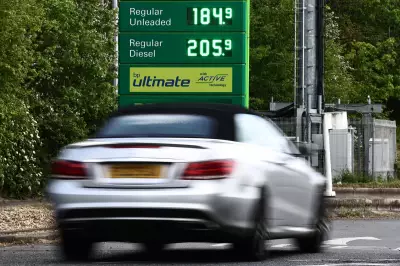
The price of jet fuel in Europe has soared to a record high this week, nearly doubling from pre-conflict levels. There are growing fears of shortages if Iran's retaliatory blockade of the Strait of Hormuz continues to squeeze Western oil supplies. Government sources indicate that ministers are drafting plans to address potential jet fuel shortages if the war drags on, anticipating 'constrained' supplies that could risk getaways if airlines are forced to ration fuel.
Scandinavia's largest airline, SAS, has already become the first major European carrier to scrap flights due to surging fuel prices, citing a 'sharp and sudden increase' in costs. Other airlines, including Air France-KLM and SAS, have announced ticket price hikes, while Finnair has warned that jet fuel supplies may run out due to the effective closure of the Strait of Hormuz.
Government Response and Industry Outlook
There are concerns that more airlines across Europe and the UK will be compelled to follow suit if the conflict persists. A Department for Transport spokesman stated, 'We are engaging with British carriers to support their operations against the backdrop of war in the Middle East, and to limit the impact on industry.' This engagement aims to mitigate the broader effects on the aviation sector and ensure operational continuity amidst the ongoing turmoil.