US Airports Face Imminent Shutdown Threat Amid TSA Funding Crisis
The United States aviation network is teetering on the brink of operational collapse as Transportation Security Administration agents continue mass callouts while working without pay. Acting TSA Deputy Administrator Adam Stahl has issued a stark warning that entire airports, particularly smaller regional facilities, may be forced to cease operations entirely if the current crisis escalates.
Security Gridlock Spreads Across Nation
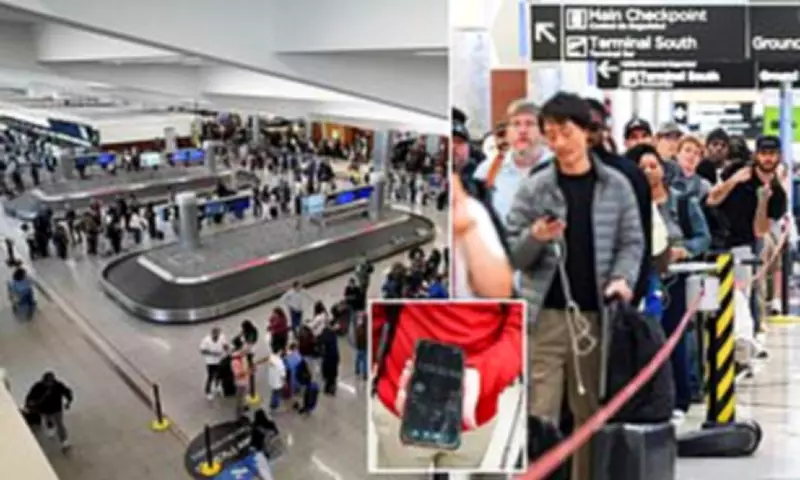
Security screening wait times have already ballooned to approximately two hours at airports nationwide following the suspension of TSA worker payments. The situation has deteriorated to such an extent that at Hartsfield-Jackson Atlanta International Airport, security lines have overflowed beyond screening checkpoints into baggage claim areas. Similar scenes of travel chaos have unfolded at major hubs including Houston's George Bush Intercontinental Airport, where TSA queues stretched down escalators with reported waits reaching 180 minutes, and New York's LaGuardia Airport, where early morning queues extended into parking lots before sunrise.
Staffing Crisis Deepens as Shutdown Continues
Approximately 50,000 TSA employees have been working without compensation since February 14th due to the Department of Homeland Security funding lapse. The financial strain has prompted a dramatic increase in call-out rates, with Houston airports reporting nearly 41 percent absenteeism earlier this week. At least 366 TSA agents have resigned their positions nationwide, further depleting an already strained workforce.

The staffing shortage has forced operational reductions at multiple facilities, including Houston's Bush Intercontinental Airport, which has curtailed both standard TSA and pre-check services. Volunteer screeners typically deployed to high-demand locations have been entirely exhausted, leaving smaller airports particularly vulnerable to complete closure due to their limited passenger volumes and reduced staffing flexibility.
Political Impasse Compounds Travel Disruption
The crisis stems from a legislative stalemate after Senate Democrats declined to support a funding measure for the Department of Homeland Security on Friday. Senate Democratic leader Chuck Schumer has proposed an alternative bill specifically funding the TSA, but this measure faces likely rejection during rare weekend legislative sessions.
Behind the scenes, White House border coordinator Tom Homan has engaged in consecutive days of negotiations with bipartisan senators. Democrats are demanding significant policy changes to immigration enforcement practices, including warrant requirements for home entries and uniform identification mandates for ICE agents. Republicans counter that the Trump administration has already implemented several reforms, including expanded body camera usage and restrictions on enforcement at sensitive locations.
Economic and Operational Consequences Mount
The aviation disruption has generated substantial economic fallout, with FlightAware reporting 793 flight cancellations and over 5,000 delays nationwide. Senate Majority Leader John Thune acknowledged the severity of the situation, stating, "This is a pox on everybody's house. You've got people standing in lines at the airports. This needs to be fixed."
TSA's Stahl emphasized the escalating nature of the crisis, warning, "The reality of the situation is this is going to get worse before it gets better, if we don't see any sort of action." He explained that while TSA lacks direct authority to close airports, the agency's screening operations are essential for flight departures, meaning that widespread agent absences could effectively paralyze air travel.
Legislative Calendar Adds Urgency
With Congress scheduled for a two-week Easter recess approaching later this month, pressure mounts for resolution. Thune has threatened to keep senators in Washington if the funding impasse persists, declaring, "I can't see us taking a break if the government is still shut down."

As negotiations continue, the travel industry braces for potentially catastrophic disruptions. The convergence of unpaid essential workers, political deadlock, and approaching legislative deadlines creates a perfect storm that threatens to ground significant portions of America's air transportation system unless immediate funding solutions emerge.