The Hidden Purpose of Black Dots on Car Windscreens
Motorists across the country are only just realising that those little black dots on their car windscreens are not merely decorative features. These seemingly insignificant markings, known as frits or dot matrices, serve a crucial dual purpose that enhances both visibility and safety during everyday driving.
Heat Distribution and Optical Clarity
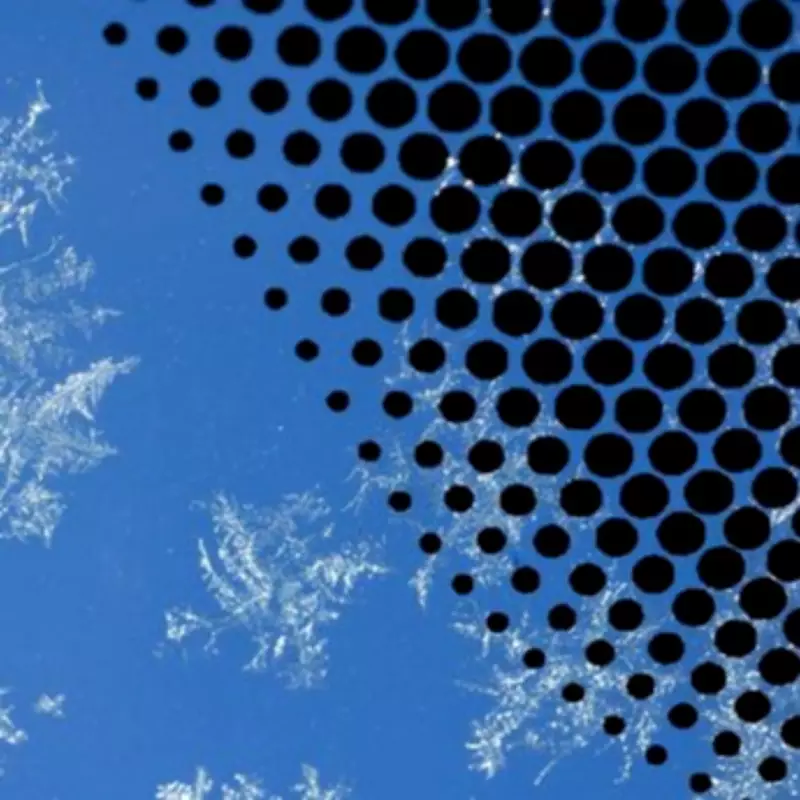
Windscreen experts at Autoglaze have revealed that the black dots are fundamentally underrated by road users. They actually help distribute temperature evenly across the glass surface to significantly lessen optical distortion or lensing effects. This phenomenon occurs when the solid black frit band, typically found around the windscreen's outer edges, heats up much faster than the surrounding glass.
Without the graduated dot pattern, this temperature differential can create visual distortions that make straight lines appear curved or bowed inward toward the centre of the windscreen. The carefully arranged dots work to dissipate heat and spread it out evenly, ensuring drivers maintain clear, undistorted vision through their windscreen in various weather conditions.

Structural Integrity and Aesthetic Benefits
Max Auto Glass has further disclosed that these black dots play a vital role in keeping the windscreen firmly secured in place. The frit pattern provides a rougher surface for the adhesive sealant to bond to effectively, since this particular area represents the critical contact point between the glass and the vehicle's frame.
This enhanced bonding capability helps ensure that the adhesive can form a strong, consistent connection all the way around the windscreen perimeter, properly holding it in position during normal operation and potential impact situations. Both automotive experts have also highlighted the aesthetic advantages of the frit design.
The graduated dot pattern creates what professionals describe as a visual barrier that prevents drivers from seeing the adhesive along the windscreen frame. This results in a far more polished, finished appearance that complements the vehicle's overall design while serving these essential functional purposes.
These revelations come as motorists continue to discover hidden features in modern vehicles, from buttons that rapidly de-ice windscreens to anti-dazzle functions for following headlights. The humble windscreen dot matrix represents another example of thoughtful engineering that combines practical function with subtle design integration.