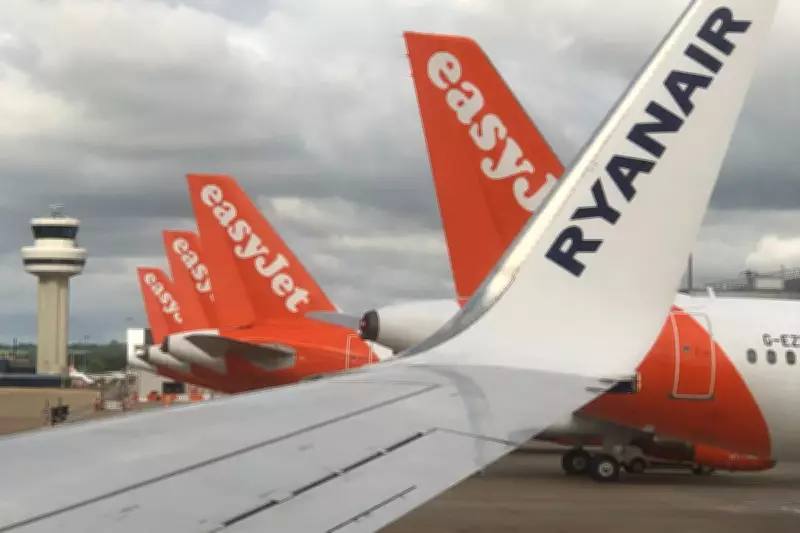
In a stark warning to holidaymakers, the chief executive of easyJet, Kenton Jarvis, has advised travellers to secure their flight bookings as early as possible to avoid anticipated increases in air fares. This caution comes amid ongoing tensions in the Gulf region, which have driven up the cost of aviation fuel, though major airlines currently remain insulated through financial strategies.
Hedging Provides Short-Term Protection
Mr Jarvis explained that easyJet, like many other European carriers, has employed a practice known as "hedging" to lock in lower fuel prices for the majority of its summer operations. This approach shields the budget airline from immediate price spikes, ensuring stable fares for consumers in the near term. However, he highlighted that as these hedges diminish over time, the effects of higher fuel costs could eventually translate into elevated ticket prices.
Industry Leaders Downplay Fuel Supply Fears
Despite widespread reports of potential aviation fuel shortages, both Mr Jarvis and Michael O'Leary, the CEO of Ryanair, have moved to allay public concerns. Speaking at an Airlines for Europe event in Brussels, Mr O'Leary stated that he does not foresee any significant issues with jet fuel supply or subsequent flight cancellations. He speculated that the current geopolitical situation, involving the US and Israel, is unlikely to persist beyond a few more weeks, though he acknowledged the uncertainty surrounding future developments.

Carsten Spohr, chief executive of the Lufthansa Group, reinforced this perspective by noting that aviation consumes only a single-digit percentage of the world's fuel. He suggested that other sectors of the global economy would face shortages long before airlines experience any detrimental impact, with petrol stations potentially running dry first.
Strategic Messaging to Boost Bookings
One senior aviation source posited that the emphasis on early booking might be a strategic move to stimulate consumer confidence and encourage reservations during a period of hesitancy. With travellers wary of committing to plans due to the volatile situation, airlines are keen to maintain steady booking levels to support their operational stability.
Other UK market carriers, including Jet2 and British Airways, have also implemented hedging measures to mitigate the risks associated with soaring oil prices. This collective industry effort aims to buffer passengers from immediate fare hikes, though the long-term outlook remains contingent on the duration and severity of the Gulf crisis.
In summary, while current hedging practices offer a temporary reprieve from fuel cost increases, the advice from easyJet's boss is clear: book early to secure the best possible deals and avoid potential future price escalations as market conditions evolve.