

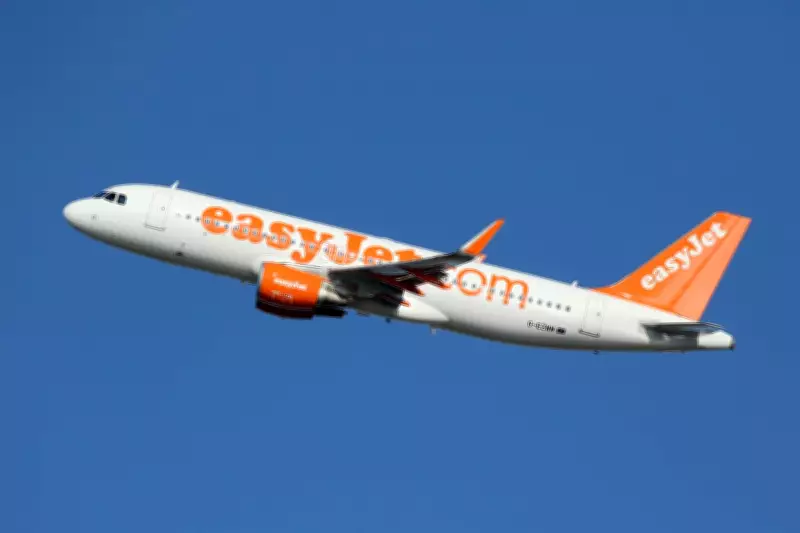
EasyJet has announced a significant upgrade to its fleet, with plans to introduce new Mirus Kestrel seats across 237 new aircraft starting in 2028. These innovative seats are designed to offer passengers up to two inches of additional legroom, a change achieved through a unique slimline design that repositions the hips and spine further back, even though the distance between seat rows remains unchanged.
Enhanced Comfort and Operational Efficiency
The new seats are constructed from carbon fibre, making them over 20% lighter than current models. This reduction in weight translates to substantial operational benefits, with each aircraft saving up to 500kg. Fleet-wide, this is estimated to result in annual fuel savings of over 12,936 tonnes, contributing to a significant decrease in CO2 emissions.
Fixed Recline and Passenger Experience
One notable feature of the Kestrel seats is their fixed recline of 22 degrees, which cannot be manually adjusted by passengers. EasyJet states that this design choice, along with the increased legroom, will enhance the onboard experience for customers. The airline emphasises that this investment not only improves comfort but also boosts operational efficiency, aligning with broader sustainability goals.

In summary, EasyJet's move to adopt these new seats represents a strategic effort to balance passenger comfort with environmental responsibility, setting a new standard in the aviation industry.






