

Budget Airlines Introduce Revolutionary Economy Seats for Enhanced Passenger Comfort
Budget airlines have been increasingly packing more passengers into their aircraft, leading to a noticeably cramped experience for travellers. However, a significant development is on the horizon that promises to alleviate this discomfort. A new type of economy seat is set to debut, offering passengers additional legroom without necessitating a reduction in the total number of seats on the plane.
EasyJet's Fleet Upgrade with Kestrel Seats
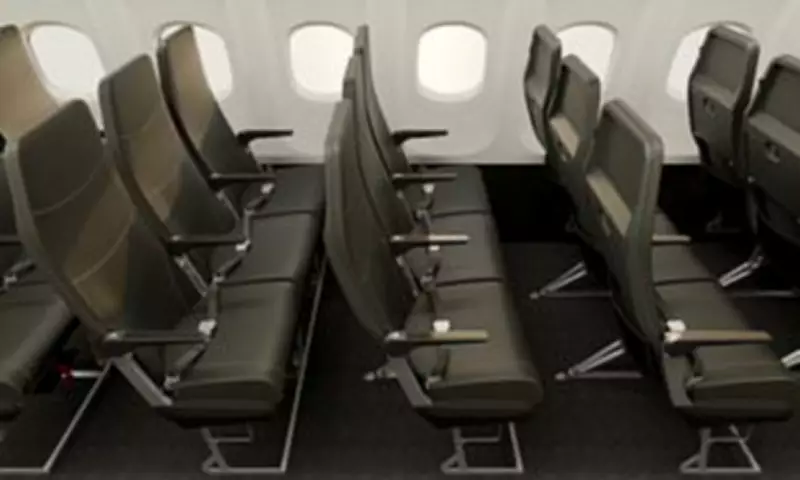
From 2028, hundreds of new easyJet aircraft will be equipped with the innovative Kestrel seat, designed by British manufacturer Mirus Aircraft Seating. These seats are engineered to provide passengers with an extra two inches of knee and shin space, surpassing the legroom offered by most low-cost competitors. The design cleverly reshapes the backrest, allowing passengers' hips and spine to tuck further back, thereby freeing up additional room for their knees and legs.
Advanced Materials and Design Features
By utilising carbon fibre instead of the standard moulded plastic commonly found on most airlines, these seats are significantly thinner. This reduction in thickness gifts the passenger behind those crucial extra inches of space. According to Mirus, the seats feature a 'fixed recline' of 22 degrees, which automatically guides passengers into the most efficient position. This design eliminates the ability to manually recline, thereby preventing potential inconvenience to the person seated behind.

Current and Future Comfort Comparisons
A standard easyJet seat typically provides between 28 and 29 inches of room, meaning that passengers who are six feet or taller often find themselves squashed against the seat in front, with their knees pressed uncomfortably. In contrast, most long-haul flights offer a more generous 31 to 34 inches of space. From 2028, select easyJet aircraft will be fitted with the all-new Kestrel seat, which provides up to two inches of additional knee and shin space without the need to recline.
Executive Insights and Implementation Strategy
Kenton Jarvis, easyJet's CEO, commented: 'We’ve always had very comfortable leg room in easyJet. This product is exceptionally comfortable, exceptionally light and allows a configuration that creates more space for the customer in the cabin.' The seats will not be introduced on easyJet's existing 350-plane fleet due to the high costs associated with replacing 'perfectly good' seating. Instead, they will be fitted on Airbus A320neo and A321neo planes from 2028 onwards.
David Morgan, chief operating officer at easyJet, added: 'We are delighted to be introducing the Mirus Kestrel seat across our future fleet. On top of the sustainability benefits, the additional legroom and enhanced comfort these seats will provide will also deliver an improved onboard experience for our customers which we know they’ll love.'
Challenges on Long-Haul Routes
EasyJet's longest flight is a six-hour, 2,400-mile journey between London Gatwick and Sal, one of Cape Verde's 10 islands on the west coast of Africa. This flight is operated by the same planes used for short-haul routes, meaning passengers are without in-flight entertainment, WiFi, or even power sockets during these six hours. Additionally, they are seated in these non-reclining seats. The Daily Mail's Genie Harrison, who flew this journey, revealed everything she took onboard to keep herself entertained and comfortable at 30,000 feet.






