Euston Station to Reintroduce Advertising on Departure Board After Two-Year Hiatus
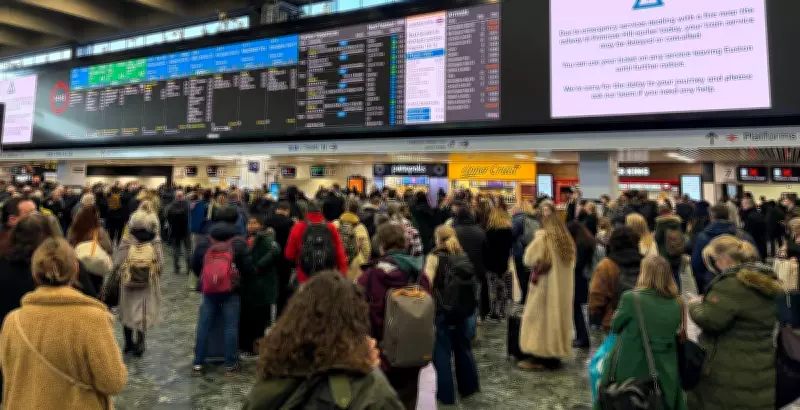
Network Rail is set to reintroduce advertising on a large screen at Euston railway station, following significant criticism in 2024 when the main concourse departure board was converted into a substantial advertising display. A two-week trial will commence on Monday, with the screen's outer sections dedicated to adverts while the central part continues to show essential passenger information.
Background and Previous Controversy
Advertising on this screen was halted in October 2024 after the then-transport secretary ordered improvements at Euston station due to serious concerns about overcrowding. The decision to replace the traditional information board with an advertising-focused screen had sparked widespread backlash from passengers and advocacy groups, who argued it compromised clarity and accessibility during peak travel times.
Current Measures and Future Plans
Network Rail has emphasised that any future revenue generated from advertising will be reinvested directly into station improvements aimed at benefiting passengers. This move comes alongside other enhancements implemented at Euston, such as extended boarding times and clearer signage, which were introduced following an improvement notice from the Office of Rail and Road in 2023 addressing overcrowding issues.

The station has faced ongoing challenges with passenger flow and safety, prompting these coordinated efforts to enhance the travel experience. The trial period will allow Network Rail to assess the impact of advertising on passenger information dissemination and overall station operations.
Key Points of the Reintroduction- The two-week trial begins on Monday, focusing on the screen's outer sections for ads.
- Central display areas will remain dedicated to real-time departure and arrival information.
- Revenue from advertising is pledged for station upgrades and passenger amenities.
- This follows previous criticism and a transport secretary's intervention in 2024.
This reintroduction marks a cautious step by Network Rail to balance commercial opportunities with passenger needs, aiming to avoid the controversies of the past while funding essential infrastructure improvements.