Electric vs Petrol or Diesel Cars: A Complete Cost and Performance Guide
As electric vehicle sales surge by nearly 24 percent annually, with EVs now constituting almost a quarter of all new car purchases in Britain, more drivers than ever are contemplating the switch from traditional petrol or diesel models. This comprehensive analysis addresses the critical questions surrounding electric car ownership, from initial costs and charging infrastructure to range capabilities and long-term value.
Purchase Price Comparison: Are EVs More Expensive?
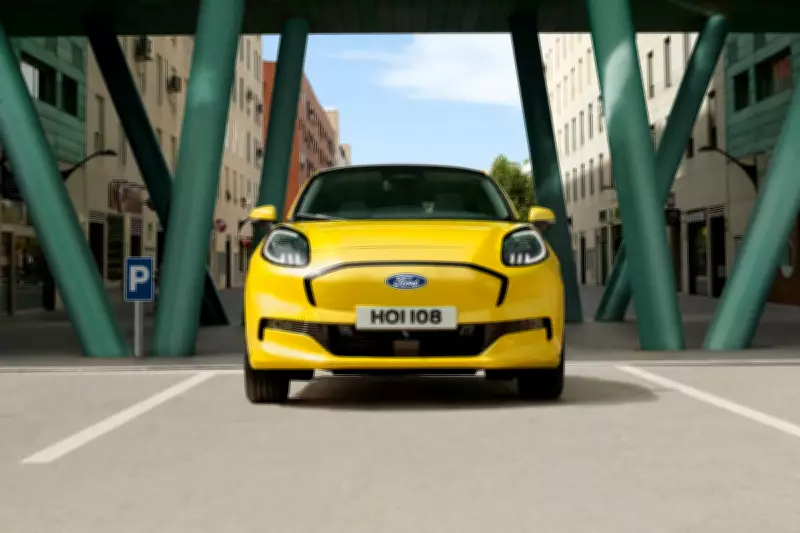
Electric vehicle prices continue to decline steadily, with manufacturers offering increasingly competitive pricing structures. The government's Electric Car Grant provides substantial discounts, while manufacturers frequently offer additional incentives to meet Zero Emissions Vehicle Mandate requirements. For instance, Britain's best-selling Ford Puma demonstrates this price convergence clearly.
The electric Puma Gen-E starts at £26,245 including the £3,750 government grant, while the cheapest petrol variant costs £26,580. When considering running cost advantages, particularly home charging on economical tariffs, the electric model often proves more cost-effective over time. Similarly, premium models like the BMW iX3 illustrate how technological advancements justify price differences, with the electric version starting at £58,755 compared to £53,305 for the petrol X3.

Charging Infrastructure and Speed
Charging times vary dramatically depending on infrastructure and vehicle capabilities. High-performance EVs like the Porsche Taycan can achieve 10-80 percent battery replenishment in just 18 minutes using 320kW public chargers. However, domestic charging presents different realities, with 7kW wallbox chargers requiring approximately 12 hours for a full charge, extending to 22 hours with 3.6kW units.
Most mainstream electric vehicles support 100-200kW charging rates, typically achieving 20-80 percent battery levels within 20-40 minutes at compatible public stations. Britain's expanding network of approximately 70,000 public charging points continues to improve accessibility nationwide.
Range Capabilities and Real-World Performance
Electric vehicle ranges have improved significantly, with many models now offering 200 miles as standard and premium vehicles exceeding 400 miles. The BMW iX3 leads current production models with 500 miles, while the upcoming Volvo EX60 promises 503 miles. Manufacturers provide different battery options to suit varying needs, similar to traditional engine size selections.
The Renault 5 exemplifies this approach, offering 192 miles from its 40kWh battery or 252 miles with the 52kWh option. At the budget end, the Dacia Spring provides 140 miles for £14,995, while premium models like the Mercedes EQS deliver up to 481 miles. It's important to note that WLTP range figures, like traditional MPG ratings, represent standardized testing rather than guaranteed real-world performance.
Winter Performance Considerations
Lithium-ion batteries experience reduced efficiency in cold conditions, potentially decreasing range by 4-30 percent according to Norwegian automotive association studies. Multiple factors influence this reduction, including ambient temperature, driving style, heating usage, and pre-conditioning practices. EV owners can mitigate winter range loss by pre-heating vehicles while connected to home chargers, utilizing mains power rather than battery capacity.
Maintenance and Running Costs
Electric vehicles generally offer simpler mechanical architectures and lower maintenance requirements than combustion engine counterparts. The absence of oil changes, spark plugs, timing belts, and complex transmission systems reduces service costs significantly. Regenerative braking systems extend brake component lifespan, while electric motors demonstrate exceptional reliability with fewer moving parts.

Second-Hand Market Opportunities
The used electric vehicle market presents exceptional value, with first-year depreciation sometimes reaching 50 percent. Early 2026 sees Nissan Leaf models available from £1,500, while Ford Mustang Mach-E examples approach £13,000 and Tesla Model 3 vehicles dip below £10,000. Battery health remains a crucial consideration when purchasing used EVs, with diagnostic scans recommended to assess remaining capacity.
Driving Experience and Unique Features
Electric vehicles deliver distinct driving characteristics, including near-silent operation, instant torque delivery, and single-gear simplicity resembling automatic transmissions. Regenerative braking represents the most significant operational difference, converting kinetic energy into electrical recharge during deceleration. Many EVs offer adjustable regeneration settings, with some models featuring one-pedal driving modes that enable complete stops without brake pedal application.
Affordable Electric Vehicle Options
The electric vehicle market continues expanding across price segments, with numerous models now available below £25,000. The Dacia Spring establishes a new entry point at £14,995, while the Citroen e-C3, BYD Dolphin, and MG4 all start under £27,000. Leasing options provide additional accessibility, with monthly payments beginning below £150 for some models.
Hybrid Alternatives: Understanding Your Options
Hybrid vehicles offer transitional solutions for drivers not ready for full electric adoption. Mild hybrids provide minimal electrical assistance, while full hybrids offer limited electric-only operation. Plug-in hybrids (PHEVs) represent the most capable alternative, with modern examples achieving 50-90 miles of electric range before engaging petrol engines. PHEV sales increased approximately 35 percent last year, reflecting their popularity among drivers seeking electric benefits with combustion engine reassurance.
Ultimately, the decision between electric, hybrid, and traditional vehicles depends on individual driving patterns, charging access, budget considerations, and environmental priorities. As technology advances and infrastructure expands, electric vehicles continue becoming increasingly practical for British motorists across all segments of the market.