Former HSBC Banker Banned for Sophisticated Train Fare Evasion Scam
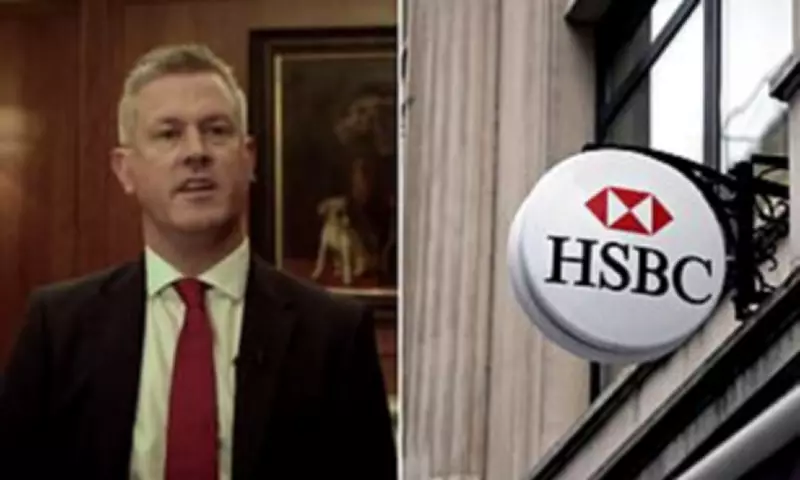
A wealthy former HSBC banker, who dodged nearly £6,000 in train fares through a sophisticated ticketing ruse known as 'doughnutting', has been banned from using his local railway network. Joseph Molloy, 53, exploited ticket barriers to create a payment 'hole' for part of his commute, saving £5,911 over 11 months on Southeastern services, Inner London Crown Court heard.
Elaborate Fraud Scheme Uncovered
Molloy, who lived in a £2 million home in Orpington, travelled to London Bridge before continuing to his Canary Wharf office. He purchased tickets covering only the start and end of his route, omitting the intermediate stations, in a tactic prosecutors described as 'sophisticated in planning and execution'. The scam was carried out at least 740 times between October 2023 and September 2024.
To facilitate the fraud, Molloy used false names and addresses to obtain two smartcards loaded with tickets and secured Jobcentre Plus discounts, giving him 50 per cent off fares. Initially declining to comment in a police interview, he later made a full confession when confronted with evidence.

Court Proceedings and Sentencing
Molloy admitted fraud by false representation and appeared for sentencing on Tuesday. His barrister, Will Hanson, cited mitigating factors, including stress from health issues and his mother's death, and noted the fraud was 'discreet' and committed against a large private company rather than an individual. Hanson highlighted Molloy's distinguished career as head of passive equity at HSBC Global Asset Management, from which he retired last year, and his role as a devoted father active in his church and community.
However, Recorder Alexander Stein emphasised that Molloy was 'a man of some financial means' who could afford his fares, branding the offending 'persistent and serious'. He stated that the sophistication of the scam merited jail but suspended the sentence due to strong mitigation. Molloy received:
- Ten months' imprisonment, suspended for 18 months
- 80 hours of unpaid work
- A one-year ban from Southeastern services
- £5,000 in compensation
After the hearing, Molloy changed his clothes and vaulted a wall in an apparent attempt to avoid photographers.
Broader Implications for Rail Industry
Fare evasion costs the rail industry an estimated £240 million annually, according to the Rail Delivery Group. In response to tactics like 'doughnutting', companies are now testing GPS technology to help clamp down on such scams, aiming to improve revenue protection and deter future fraud.