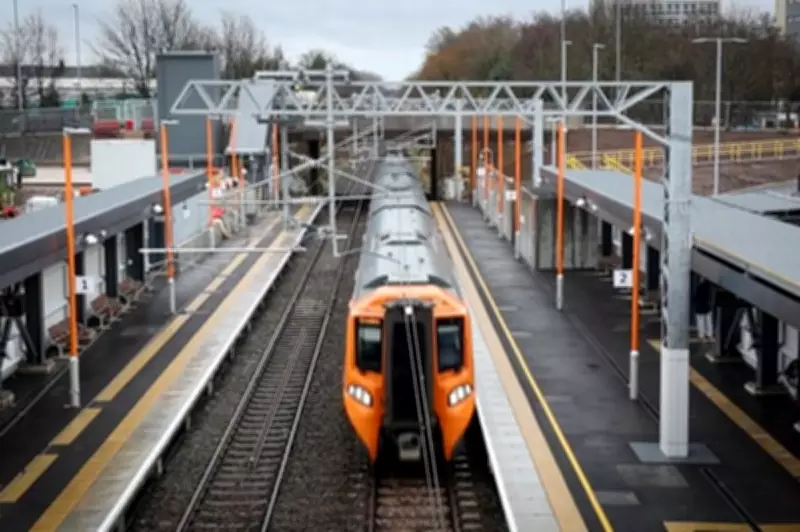
In a significant boost to regional connectivity, five new railway stations are scheduled to open in the West Midlands as part of a £185 million project aimed at reconnecting communities. This initiative marks a pivotal moment in local transport infrastructure, with the first stations set to welcome passengers imminently.
Historic Reopenings and New Additions
On 19 March, brand-new Willenhall and Darlaston stations will open to rail passengers, restoring services that were last available in 1965. These stations had been closed for over half a century, leaving residents without direct rail access. Additionally, from 7 April, new stations at Moseley Village, Kings Heath, and Pineapple Road will commence operations on the Birmingham Camp Hill line, further enhancing the network.
Service Details and Timetables
The Moseley Village, Kings Heath, and Pineapple Road stations will be served by a half-hourly train service running between Birmingham city centre and Kings Norton, providing frequent and reliable connections. Meanwhile, Willenhall and Darlaston stations are planned to be integrated into the timetable for the hourly Shrewsbury to Birmingham New Street Station service via Wolverhampton, offering expanded travel options for commuters and leisure travellers alike.

Infrastructure and Amenities
All five stations will feature modern amenities designed to improve passenger experience, including sheltered platforms, accessible lifts, ticket machines, and cycle racks. Darlaston Station will also offer a car park with 300 spaces, catering to park and ride commuters and encouraging a shift from car use to public transport.
Project Funding and Leadership
The project is led by Transport for West Midlands (TfWM) and the West Midlands Rail Executive (WMRE), with substantial support from the government. A total of £126 million in government funding has been allocated to this initiative, underscoring its importance in regional development and sustainability goals.
Official Statements and Vision
Richard Parker, Mayor of the West Midlands, emphasised the historical significance of the reopenings, stating: "Closing those stations during the last century was a short-sighted mistake which has now been put right – no longer will residents have to watch every day as trains rush past without stopping. These vital new services will not only restore a historic link between the railways and our communities, but they will create a new lifeline for local people – supporting our high streets, opening up new opportunities and connections, and driving economic growth."
Transport Secretary Heidi Alexander added: "Thanks to Government investment, fast and frequent rail services will arrive at new stations across Birmingham and the Black Country next month for the first time in decades, reducing congestion and improving local transport connections. There is no limit on our ambitions for the West Midlands. That's why we are funding new opportunities for jobs, travel, and housing, while returning rail services to public ownership to build a railway passengers can rely on."
Environmental and Economic Impact
The West Midlands Combined Authority (WMCA) highlighted that the new railway hubs will provide residents with a faster and greener alternative to the car for their journeys, aligning with broader environmental objectives. Final authorisation from the Office of Rail and Road is expected in the coming days, ensuring all regulatory standards are met before full operations begin.
This project represents a major step forward in revitalising the West Midlands' transport network, promising to enhance mobility, support local economies, and foster sustainable travel habits for years to come.