

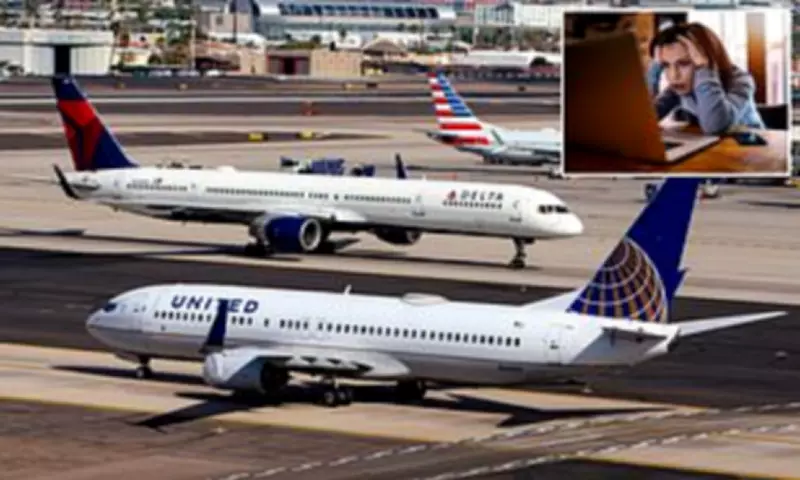
Flight Prices Surge Globally as Iran Conflict Drives Oil Costs Higher
Travelers across the United States and internationally are scrambling to secure bookings as airfares experience a sharp and sustained increase. This dramatic rise in flight prices is directly linked to escalating oil prices, which have surged following the outbreak of war with Iran. Airlines, facing one of their most significant operational costs, are rapidly adjusting fares and fees to offset these mounting expenses.
Jet Fuel Costs Trigger Rapid Fare Hikes
Airlines are grappling with a rapid and substantial spike in jet fuel expenses. In response, carriers are increasingly passing these additional costs directly onto passengers through elevated base fares and supplementary fees. In numerous instances, ticket prices have nearly doubled in the weeks since the conflict began, prompting a wave of early bookings from consumers anxious to avoid even steeper costs later.
Airline executives have indicated that fares, particularly for long-haul international routes, are likely to continue their upward trajectory in the coming months. This forecast has created significant uncertainty among vacation planners.

The 'Goldilocks Window' Dilemma for Travelers
Online travel forums have been flooded with questions from concerned travelers debating whether to book immediately or wait for a potential price drop. Central to this discussion is the concept of the 'Goldilocks Window'—the traditionally optimal period for purchasing flights.
- This window typically falls one to three months before domestic travel.
- For international trips, the ideal booking period is generally two to eight months in advance.
Posts on platforms like Reddit highlight the widespread confusion. One user planning a September wine tour to Italy's Piedmont region asked, 'Now that airfares are going up markedly, wondered whether to buy now or hold out and see if they go down?' Responses varied from the cheeky 'Last week' to more strategic advice recommending immediate purchase of refundable or changeable tickets to hedge against future price fluctuations.
A separate commenter noted that a flight to Vietnam booked last month for October travel was now priced $700 higher, illustrating the rapid inflation.
Expert Advice: Book Now and Stay Flexible
Travel expert Katy Nastro from the American travel technology company Going advised against waiting. 'History indicates that fares will likely stay high as airlines deal with the high costs,' she told the Daily Mail. Nastro emphasized that final ticket prices depend heavily on consumer willingness to pay, encouraging flyers to act promptly when they spot a deal and plan well ahead for future trips.
'There is no reason not to be thinking about summer travels, even fall travels, especially if you see a deal,' she said, citing a recent Boston-to-Sicily fare listed for $488 in September. Crucially, Nastro suggested travelers move beyond rigid reliance on the 'Goldilocks Window'. Instead, she recommended booking main economy tickets that often allow re-pricing if fares subsequently drop, enabling passengers to claim a credit for the difference.
Airline Outlook: Higher Fares Amid Strong Demand
Frontier Airlines executive CEO Jimmy Dempsey acknowledged the trend, stating consumers should expect to pay more as oil prices remain elevated, describing a prevailing 'wait-and-see' attitude in the market. Speaking at the JP Morgan Industrials Conference, Dempsey noted, 'The company is focused on making our airline more profitable rather than keeping airline costs low.'
Major US carriers, including American Airlines, JetBlue, Delta, Alaska Air Group, and United, presented updates at the conference. Alaska Air Group CEO Ben Minicucci confirmed a spike in demand as customers rushed to book ahead of anticipated price increases. 'When prices did spike, we saw a spike in demand. I believe customers think, 'oh we're going on vacation anyway, spring break is coming.''

Industry leaders anticipate fuel prices will hover at or above $3 per gallon due to the ongoing conflict. Despite the cost pressure, strong travel demand and rising fares are bolstering the sector's financial outlook. Airline stocks have climbed on reports of robust spring bookings and confidence that higher ticket revenues can offset fuel cost increases.
A Mixed Forecast for Fares
Katy Nastro offered a tempered perspective for anxious travelers. 'The good news is that we don't expect airfares to spike in a similar way to what oil has been doing, but the bad news is [that] higher fares are likely the longer this lasts.' The consensus among experts and airline executives is clear: with oil prices driven by geopolitical tensions and strong underlying travel demand, elevated airfares are set to persist, making early and strategic booking more critical than ever for cost-conscious travelers.





