

Middle East Conflict Triggers Aviation Crisis as Jet Fuel Costs Skyrocket
The escalating conflict between the US, Israel, and Iran in the Middle East has plunged the travel industry into turmoil, with jet fuel prices nearly doubling and airlines scrambling to adjust fares. This disruption threatens to cripple tourism just weeks before the Easter holiday period, leaving families facing steep price hikes and uncertain travel plans.
Fuel Supply Disruption Sends Costs Soaring
The Gulf region, which supplies approximately 50 percent of jet fuel to European-based airlines, has seen its main transit routes severely impacted by the conflict. Prior to the first strikes on Iran on February 28th, a ton of jet fuel bound for north-west Europe cost around $830. Over the past two weeks, that price has almost doubled, placing immense pressure on airline operating costs.
This sharp increase has forced carriers to implement emergency measures. Hong Kong aviation giant Cathay Pacific recently introduced an emergency fuel surcharge, effectively doubling it on most routes. The surcharge applies to tickets issued from March 18th, with fees for flights between Hong Kong and Europe purchased in Hong Kong rising from HK$569 to HK$1164.

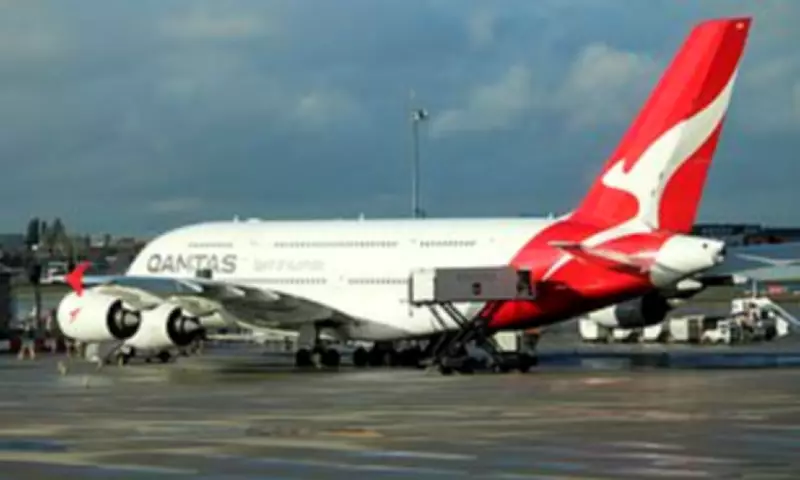
Cathay Group's CEO Ronald Lam revealed that fuel costs this month are double the average of the previous two months. Other airlines, including Qantas, Air New Zealand, and Scandinavia's SAS, have also begun increasing ticket prices in response to the crisis.
Consumer Impact and Holiday Disruption
Consumers are bearing the brunt of these increases directly through higher flight prices. While passengers with already booked flights won't face additional fees, those planning new travel are encountering significantly elevated costs. Direct routes to destinations like the Maldives, which avoid stopovers in Middle Eastern hubs, have seen particularly sharp price increases.
The situation has caused widespread holiday disruption. In Western Australia, accountant Natasha Earle and her family have seen their five-week European trip costs increase by roughly £7,500 as they reroute to avoid Middle Eastern airspace disruptions. "We've spent tens of thousands of dollars on this holiday," said Ms Earle, whose travel plans represent the biggest disruption to global travel since the pandemic.
Travel experts are warning of further price increases. Laura Lindsay, Skyscanner's travel expert, noted that airlines facing increased costs may raise fares, though competition might keep some prices attractive. "While we may see some carriers increase fares to offset increased costs, most airlines will do everything they can to price attractively to stay ahead of the competition," she explained.
Airline Responses and Hedging Strategies
Not all airlines are equally affected by the fuel price surge. Ryanair CEO Michael O'Leary stated that the budget airline has hedged its fuel costs through March 2027 at about $67 per barrel, insulating it from immediate impacts. "It won't affect our costs and it won't affect our low fares," he declared earlier this month.
Other budget carriers including Wizz Air, easyJet, and Jet2 have yet to comment on potential price impacts. Meanwhile, industry analysts predict sustained pressure on ticket prices. Dr Amrita Sen, founder of Market Intelligence at Energy Aspects, told the Commons Treasury that jet fuel prices above $300 per barrel would have almost immediate impacts on air fares. "I am expecting quite significant rises in air fares for at least the next couple of months," she warned.
Travel Strategies in Uncertain Times
As the situation develops, experts have offered conflicting advice on how travelers might navigate the volatile market. James Noel-Beswick, head of commodities at Sparta Commodities, suggests that "the case for booking sooner rather than later is reasonably compelling" given expected further price increases.
Conversely, Saj Ahmad, chief analyst at StrategicAero Research, believes holidaymakers could "stand to gain if they wait" to book, predicting that the war's conclusion might prompt airlines and hotels to offer deals to recoup lost revenue.

Some unconventional strategies have emerged. Travel influencer Camila Zilveti, who has visited 94 countries, recommends booking during periods of political turmoil when prices can fluctuate dramatically. "Any time there is any political turmoil, change of presidency, onset of war - anything like that - that is the best time to go and book yourself a flight," she advised in a TikTok video.
Practical tools are also available to consumers. Google Flights offers a tracking feature that monitors price trends over 61 days, indicating whether current prices are "typical" or elevated for specific routes and dates.
Broader Tourism Impacts
The conflict's effects extend beyond flight prices to destination tourism itself. Dubai, once a thriving tourist hub, has seen its beaches, hotels, and swimming pools stand deserted as strikes continue. The city's famous Jumeirah Beach, typically crowded with British expats and holiday-makers, now lies empty with reports of facilities closing due to lack of visitors.
Travel companies are responding to decreased demand for destinations near the conflict zone with deep discounts. Package holidays to Turkey, Greece, Cyprus, and Egypt are being offered at historically low prices, with seven-night Turkey stays available for just £100 per person and Greece holidays from £130 per person.
Global oil prices have risen to their highest levels since 2022 following the escalation of hostilities, creating ripple effects throughout the travel and energy sectors. As the conflict continues with no clear resolution in sight, the aviation industry faces sustained uncertainty, with jet fuel supplies and flight prices likely to remain volatile for the foreseeable future.





