Holidaymakers currently stranded in destinations across the Middle East, including Dubai, Abu Dhabi, and Qatar, have been issued urgent advice regarding their rights to compensation for disrupted travel plans. This guidance comes as major airports and airspaces in the region face closures or restrictions due to ongoing military conflicts, leading to widespread flight cancellations and suspensions.
Understanding Your Legal Entitlements
Consumer rights champion Which? has emphasised that passengers flying with UK or European airlines, or on any flights departing from the UK or EU, are legally entitled to specific protections. These include the choice between rebooking on an alternative flight or receiving a full refund for cancelled journeys. Additionally, airlines have a duty of care to provide or reimburse passengers for essential costs such as food, hotel accommodation, and transport during delays.
Critical Advice for Stranded Travellers
For individuals already in affected areas like the UAE, Qatar, Bahrain, or Kuwait, the immediate priority should be to follow local "shelter in place" alerts. Which? spokesperson highlighted a crucial warning: "If you are currently trying to get home, do not accept a refund from your airline. Accepting a refund terminates the airline's duty of care, leaving you personally liable for all accommodation and sustenance expenses."

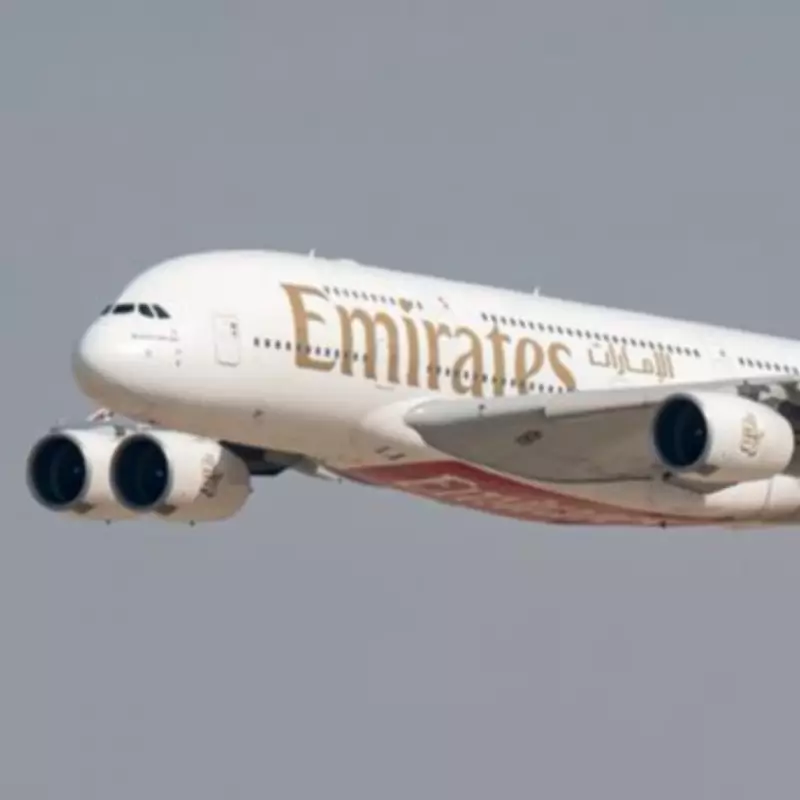
The situation is particularly complex for travellers using non-European carriers such as Etihad or Emirates, especially if their flights do not involve European destinations. In these cases, EU and UK air passenger rights may not apply, necessitating direct contact with the airline or travel agent to explore available options.
Monitoring Developments and Insurance
Which? advises all affected travellers to closely monitor their airline's official website for real-time updates on flight statuses and alternative arrangements. Simultaneously, checking the Foreign Commonwealth Development Office (FCDO) travel advice pages for destination and transit countries is essential. Ensuring robust travel insurance from a reputable provider remains a key recommendation to mitigate unforeseen disruptions.
Avoid Premature Cancellations
Importantly, holidaymakers are cautioned against cancelling upcoming trips to the region independently, even if travel seems improbable. A Which? representative explained: "Cancelling your flight voluntarily typically forfeits your rights to refunds, rebooking, and assistance. It could also complicate future insurance claims." Instead, travellers should proactively contact their airline or travel company to discuss rebooking or refund possibilities before making any decisions.
For those who booked travel and accommodation separately, investigating hotel cancellation policies is advised. Some establishments have offered refunds or flexible rebooking options at their discretion, providing additional financial relief.
As the Middle East situation continues to evolve rapidly, staying informed and understanding these compensation rights is vital for all travellers impacted by the regional airspace disruptions.