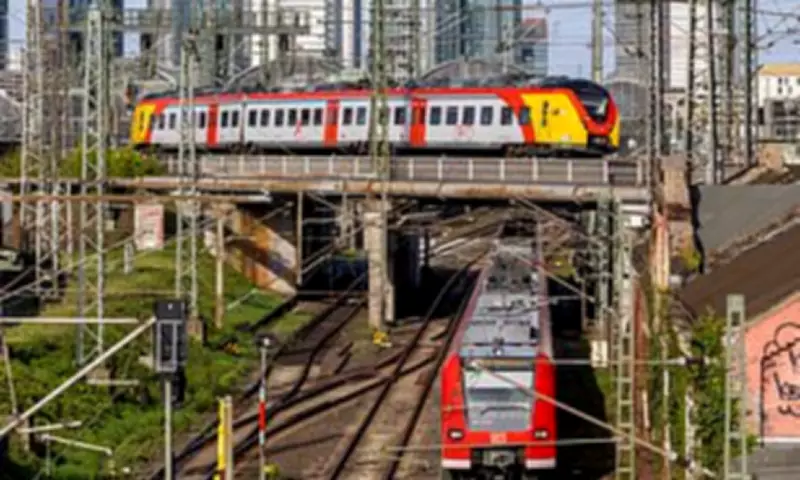
Public transport workers across Germany are gearing up for a major 48-hour strike, set to commence early on Thursday, February 27th, in a significant protest over pay and working conditions. This industrial action will severely disrupt buses, trams, and trains nationwide, with the strike expected to extend into Saturday, February 28th, affecting various regions across the country.
Widespread Disruption Expected
The two-day transport shutdown is anticipated to impact millions of passengers, including both tourists and local residents, particularly in major cities such as Berlin and Hamburg. Approximately 100,000 workers and 150 companies are poised to participate in the strike, which is being orchestrated by Verdi, Germany's second-largest trade union.
Union Demands and Employer Response
Christine Behle, deputy chair of Verdi, emphasised the urgency of the situation in a statement to Euronews. She declared, 'Our colleagues urgently need relief – and employers need a clear signal that we are determined to fight for our demands.' Behle further criticised employers, stating, 'Employers still don't seem to understand that public transport services cannot continue to function in the long term if we don't make decisive improvements to working conditions now.'

On social media, the union reiterated its stance, noting, 'Although we have already had four rounds of negotiations in some cases, little progress has been made in the collective bargaining negotiations for local public transport. Now we are increasing the pressure.' This highlights the frustration over stalled talks and the union's resolve to escalate actions to secure better terms.
European Transport Strikes Extend to Italy
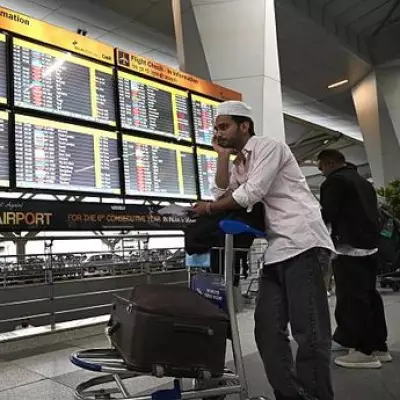
Germany is not alone in facing transport-related industrial action. Concurrently, Italy has experienced air and rail strikes as part of a nationwide 24-hour movement. This disruption is set to affect more than 100,000 passengers across an estimated 750 flights, with personnel from ITA Airways and easyJet, including pilots, cabin crew, and airport ground staff, participating in the walkout.
Impact on Italian Air Travel
The strike in Italy, lasting from 12:01 am to 11:59 pm, is impacting flights at major airports such as Milan Linate, Rome Fiumicino, Venice, Turin, Trieste, and Verona Valerio Catullo. ITA Airways announced on its website that it has been forced to cancel approximately 55% of its scheduled flights for February 26th, along with some flights on February 25th and 27th.
The airline advised travellers to check their flight status before heading to the airport and offered options for rebooking or refunds in case of cancellations. Similarly, easyJet issued a statement reassuring customers that efforts are being made to minimise disruption, urging passengers to monitor their Flight Tracker for updates and apologising for any inconvenience caused.
Broader Implications for Public Transport
These strikes underscore a growing trend of industrial action across Europe, as workers in the transport sector push for improved pay and conditions. The German strike, in particular, highlights the critical role of public transport in urban centres and the potential for widespread passenger inconvenience when services are halted.
As negotiations continue, the outcome of these strikes could set a precedent for future labour disputes in the industry, affecting not only Germany and Italy but potentially other European nations facing similar challenges. The focus remains on achieving a balance between operational sustainability and fair working environments for transport staff.