Heathrow Chief Executive Defends Airport Amid Overcrowding Claims
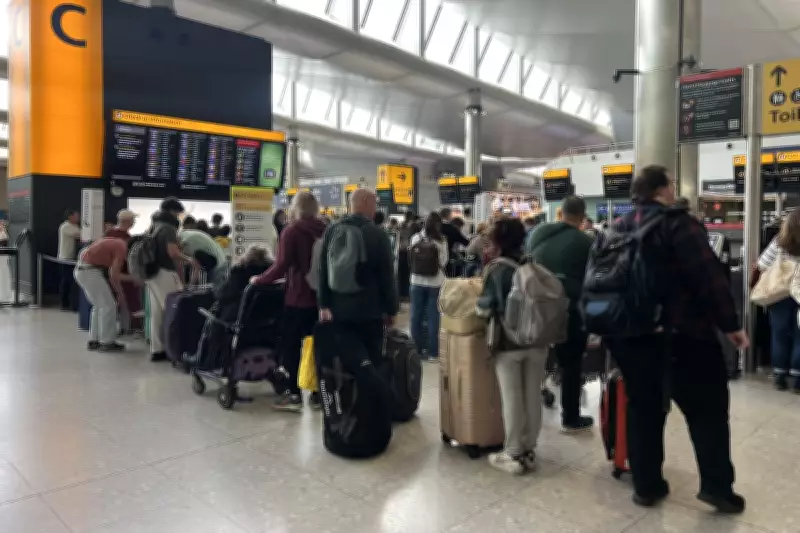
Heathrow Airport's chief executive, Thomas Woldbye, has robustly defended the travel hub against accusations of severe overcrowding, arguing instead that passenger walking patterns are primarily to blame for congestion perceptions. This defence comes after Heathrow was officially named the busiest airport in Europe last year, with numerous travellers complaining that Terminals Two and Five particularly "feel more crowded" during peak periods.
Walking Directions Cause Congestion Chaos
Speaking at an Aviation Club UK event in London, Woldbye addressed questions about how Heathrow plans to manage increasing passenger numbers. He revealed an unusual insight into terminal congestion, suggesting that cultural walking habits significantly contribute to crowding perceptions. "One of the jokes I have with our people is that one of the reasons Terminal 5 is crowded, which it's not actually, is people are in the wrong place," Woldbye stated, according to reports from The Times.
The executive elaborated with a specific observation about passenger behaviour: "One of the reasons is that all the British people choose the left and all the Europeans keep to the right. And they do that in both directions, so we get everybody crashing into each other and I see that from personal experience."

Woldbye proposed a simple solution to this walking pattern problem: "We could change that. We could just make sure that everybody going this way, they keep to the left, and if going that way, keep to the right." This directional adjustment, he suggested, could dramatically improve passenger flow and reduce congestion perceptions throughout Heathrow's terminals.
Terminal Space Versus Passenger Perception
In a surprising revelation, Woldbye highlighted the discrepancy between actual terminal space and passenger perceptions of crowding. Despite Terminal 5 being significantly larger than Terminal 3, it consistently scores worse in the airport's crowd perception metrics. "Interestingly Terminal 3 is one of the ones that scores best, and Terminal 5 is one of the worst and there's way more space in Terminal 5," the chief executive noted.
This paradox has prompted Heathrow management to reconsider how they measure and manage crowding throughout the airport complex. Woldbye confirmed that the airport has moved away from traditional "passengers per square metre" measurements in favour of more dynamic metrics. "It's passengers per square metre per minute," he explained. "So, we want you to have a perception that you're moving forward, that you're doing what you want to be doing, whether that is going through security, checking in, leaving your baggage, or shopping, or going to the gate, in the most efficient way."
Decluttering and Flow Improvement Initiatives
To address crowding perceptions and improve passenger experience, Heathrow staff are implementing several strategic changes. These initiatives focus primarily on enhancing passenger flow through terminals as the airport works toward handling 10 million additional passenger journeys annually by 2031.
The improvement plan includes:
- "Decluttering" departure lounges by removing outdated phone boxes and unnecessary seating
- Relocating information counters to more accessible positions
- Implementing new crowd management metrics that consider movement rather than static density
- Developing clearer directional signage and walking path guidance
Third Runway Plans and Political Backing
Heathrow's growth ambitions extend beyond terminal improvements to include significant infrastructure expansion. The airport's target of increasing passenger capacity by 10 million journeys annually operates separately from plans for a controversial third runway, which is scheduled for completion by 2035 at the earliest.
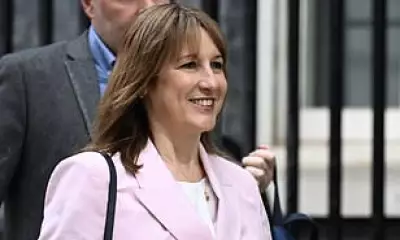
Chancellor Rachel Reeves has publicly endorsed the third runway project, viewing it as crucial for economic growth. "By backing a third runway at Heathrow we can make Britain the world's best-connected place to do business," Reeves declared last year. She emphasised that the expansion could potentially create approximately 100,000 jobs while promising additional investment in East Midlands Airport that would generate 2,000 further employment opportunities.

Reeves outlined the government's approach: "We will then take forward a full assessment through the airport's national policy statement. This will ensure that the project is value for money and our clear expectation is that any associated service transport costs will be financed through private funding. It will ensure that a third runway is delivered in line with our legal, environmental and climate objectives."
Environmental Opposition and Criticism
The proposed third runway has faced substantial opposition from environmental campaigners and political figures concerned about its ecological impact. London Mayor Sadiq Khan has emerged as a prominent critic of the expansion plans, expressing serious reservations about their environmental consequences.
In August last year, Khan stated: "I remain opposed to a new runway at Heathrow Airport because of the severe impact it will have in terms of noise, air pollution and meeting our climate change targets. Despite progress to make the aviation sector more sustainable, I remain unconvinced that you can have a new runway delivering hundreds of thousands of additional flights every year without a hugely detrimental impact on our environment."
As Heathrow progresses with both its immediate passenger flow improvements and long-term expansion plans, the airport continues to balance growth ambitions with environmental considerations and passenger experience concerns. The Independent has approached Heathrow for additional comment regarding these ongoing developments and initiatives.