

Heathrow Airport Celebrates 80 Years of Aviation History and Iconic Moments
London's Heathrow Airport commemorates its 80th anniversary this month, reflecting on eight decades of unforgettable events that have shaped British culture and global aviation. From royal homecomings to musical triumphs, the airport has served as a backdrop for numerous historic moments since welcoming its first passengers on 25 March 1946.
From Humble Beginnings to Global Hub
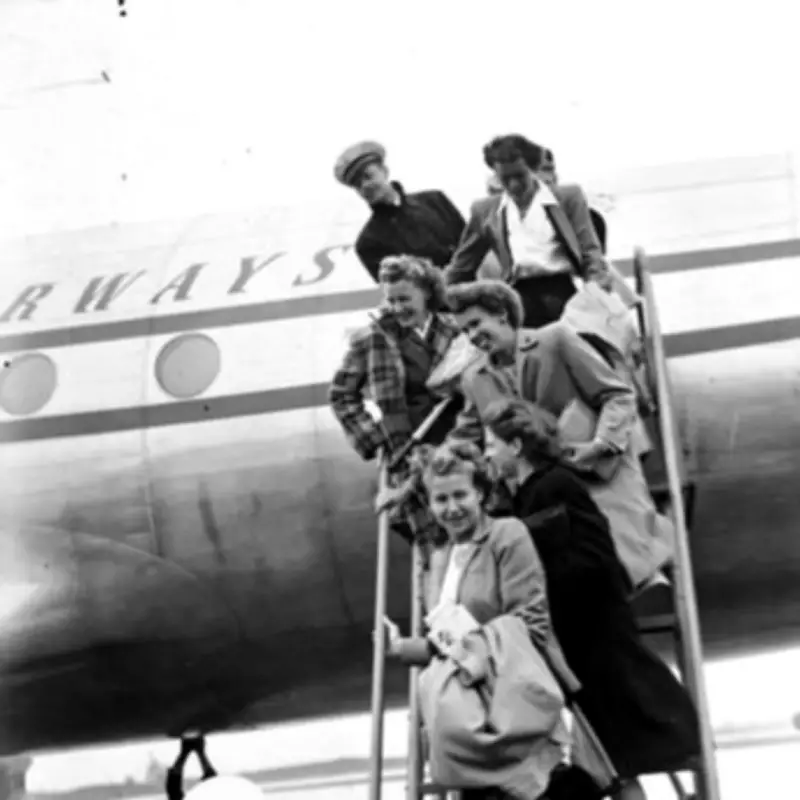
Originally opened as 'London Airport' in 1946 after two years of construction, Heathrow's inaugural flight was a converted Lancaster bomber called Starlight, departing for Buenos Aires, Argentina. In its first year, the airport handled just 63,000 passengers, a stark contrast to the record 84.5 million travelers in 2025. Early operations featured temporary military marquees as terminals, creating a tented village with floral-patterned armchairs but lacking proper heating during winter months.
Renamed Heathrow in September 1966, the airport has evolved into the world's most connected aviation hub, supporting British businesses through vital export connections while witnessing countless memorable arrivals and departures.

Royal and Cultural Landmarks
Among Heathrow's most significant moments was Queen Elizabeth II's return in 1952 following her father's death. The newly ascended monarch, just 25 years old, arrived wearing all black and was met by Prime Minister Winston Churchill, marking her first return as sovereign.
The airport also witnessed The Beatles' triumphant return in February 1964 after their groundbreaking American tour. Their success sparked the British Invasion of US music charts, with the band holding the top five positions on American singles charts by April that year.
Aviation Milestones and Technological Advances
Heathrow has been at the forefront of aviation innovation throughout its history:
- 1970: Welcomed Britain's first Boeing 747 Jumbo jet, revolutionizing air travel with its 361-passenger capacity
- 1976: Hosted Concorde's first commercial flights, with the supersonic aircraft departing for Bahrain
- 2013: Became home base for British Airways' Airbus A380, the world's largest passenger aircraft
Terminal Developments and Infrastructure
Heathrow's expansion has included significant terminal openings:
- 1986: Terminal 4 opened by Prince Charles and Princess Diana, with the princess assisting her husband who had his arm in a sling
- 1998: Prime Minister Tony Blair inaugurated the Heathrow Express rail link, creating a 15-minute connection to central London
- 2008: Queen Elizabeth II opened Terminal 5, declaring it a "21st-century gateway to Britain"
Sporting Triumphs and Cultural Moments
The airport has welcomed numerous victorious teams, including England's 2003 Rugby World Cup champions and Team GB's Olympic heroes returning from Rio in 2016 with a record 67 medals. Heathrow also served as the filming location for iconic scenes in the Christmas classic Love Actually, capturing both fictional and real emotional reunions.
Modern Challenges and Future Expansion
Like all global airports, Heathrow faced unprecedented challenges during the COVID-19 pandemic, closing to all but essential travel in March 2020 before recovering to pre-pandemic passenger levels by 2024. Looking forward, work has begun on planning applications for a third runway, supported by government approval in 2025. This expansion, fully funded by private investment, promises to deliver greater flight options, lower fares, and potentially unlock £79 billion in passenger savings according to independent analysis.
Ross Baker, Heathrow's chief customer officer, reflected: "Over the last 80 years, Heathrow has been the backdrop to some of Britain's most memorable moments. As we celebrate this milestone, we remain focused on delivering an airport that serves our customers and the nation for decades to come."






