

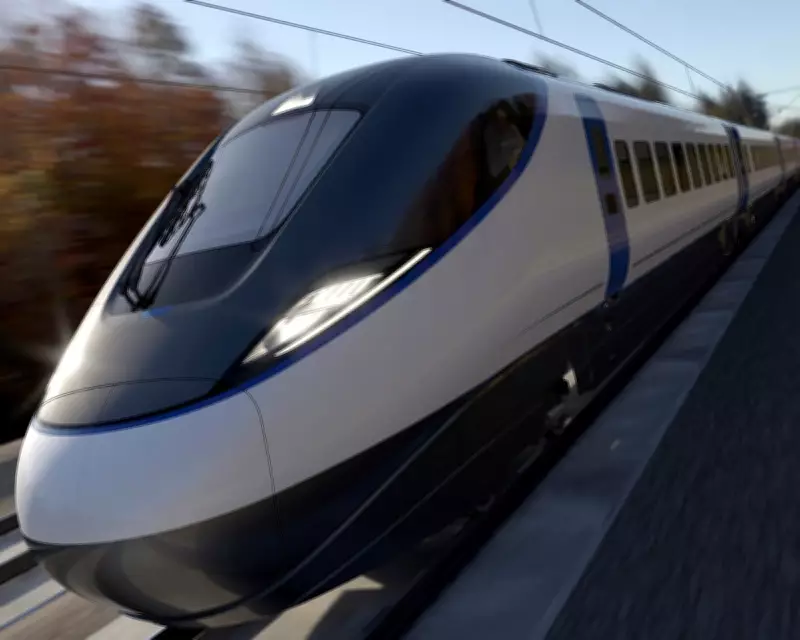
In a dramatic move to control the spiralling budget of Britain's flagship high-speed rail project, ministers have instructed HS2 Ltd to explore operating its trains at significantly reduced speeds. The proposal aims to cut costs by potentially billions of pounds and could bring forward the railway's operational debut within the 2030s.
Assessing the Speed Reduction
HS2 officials are now tasked with evaluating whether lowering the maximum speed from 224 miles per hour to 186 miles per hour would generate substantial savings. This revised speed would align with typical European high-speed rail standards and match the velocity of trains using the HS1 line to Kent and the Channel Tunnel.
Current Financial Landscape
The latest six-monthly update reveals that total expenditure on HS2 has reached £46.2 billion at current prices. This staggering figure includes £2.6 billion spent on the now-cancelled northern leg from Birmingham to Manchester, which Prime Minister Rishi Sunak axed in 2024. Government insiders have criticised what they describe as "gold-plating" and "needlessly overspecced" design elements in the original plans for what was intended to be the world's fastest railway.

Transport Secretary's Statement
Transport Secretary Heidi Alexander informed Parliament that HS2's challenges have become increasingly apparent since Chief Executive Mark Wild began his comprehensive review of the project's timeline and budget. Alexander noted that Wild's preliminary findings exposed significant shortcomings in previous planning, stating: "It is now clear that previous plans significantly underestimated the work required."
She further explained that no existing UK railway infrastructure is engineered for the originally planned 360km/h speeds, necessitating either delayed testing until HS2 tracks are completed or expensive overseas testing facilities. Alexander has commissioned Wild to deliver a detailed report on potential savings from slower trains before the summer parliamentary recess.
Construction Progress Amid Challenges
Despite the financial pressures, Alexander praised Wild's leadership and confirmed that HS2 construction continues to meet key milestones. Notably, excavation of all 23 miles of deep tunnels required for the railway's opening phase has been completed. The project currently employs approximately 30,000 workers on the ground.
Budget Reset and Future Projections
The government aims to finalise cost reductions before publishing a comprehensive reset plan, which will include an updated overall budget restated in 2026 prices. After years of soaring inflation during the COVID-19 pandemic, with labour and steel costs rising sharply, industry analysts widely anticipate the final figure could surpass £100 billion.
Executive Perspective
HS2 Chief Executive Mark Wild emphasised his commitment to regaining control of the project's finances and schedule. "With performance moving in the right direction, driven by the hard work of 30,000 people on the ground, we are rightly exploring options to create further efficiencies," Wild stated. He added: "Speed has never been the primary objective. This railway will deliver better journeys, more capacity on the network, and economic growth – all of which are vital to the country's future prosperity."
The speed reduction assessment represents the latest attempt to salvage the ambitious infrastructure project while containing its astronomical costs. As the review progresses, stakeholders await crucial decisions that will determine HS2's final specifications, budget, and operational timeline.






