Iran War Triggers Massive Travel Disruption with 52,000 Flights Axed
The ongoing conflict in Iran has profoundly disrupted global travel, leading to the cancellation of more than 52,000 flights in under three weeks and altering the holiday plans of millions of tourists worldwide. According to aviation data firm Cirium, over six million passengers travelling to or from the Middle East have had their flights axed since the conflict began on February 28.
Airspace Closures and Safety Concerns Force Reroutes and Suspensions
Airspace closures and heightened safety risks have compelled airlines to suspend or reroute flights, with more than 52,000 out of 98,000 scheduled services being called off. The threat of missiles and drones has blocked key routes, affecting flights to and from Australia that typically transit via major Gulf hubs such as Dubai, Doha, and Abu Dhabi.
This disruption has narrowed the already slim corridor for long-haul flights between Europe and Asia, complicating operations for carriers and prompting some to increase ticket prices. The conflict has also driven oil prices higher, causing jet fuel costs to soar. The International Energy Agency has described this as the biggest oil supply disruption in history.

Major Airlines and Hubs Severely Impacted
Middle Eastern airlines, including Qatar Airways, Emirates, and Etihad, have been among the worst hit, but most major international carriers have now been affected. Dubai, Doha, and Abu Dhabi, which together handled an estimated 2 per cent of global air passenger traffic last year, are experiencing significant disruptions. Transiting passengers account for more than 70 per cent of all traffic at Doha and 45 per cent at Dubai.
While Middle Eastern carriers like Emirates have no immediate plans to relocate their headquarters to Europe, alternative hubs such as Istanbul or Frankfurt offer sizeable long-haul networks and strategic East-West connections.
Tourism Industry Faces Critical Setback During Peak Booking Season
The war has erupted during a crucial period for the tourism industry, as travellers begin to make summer reservations ahead of the busiest time of the year. Demand from UK holidaymakers for destinations like Turkey, Cyprus, and Egypt has dropped significantly since the conflict began.
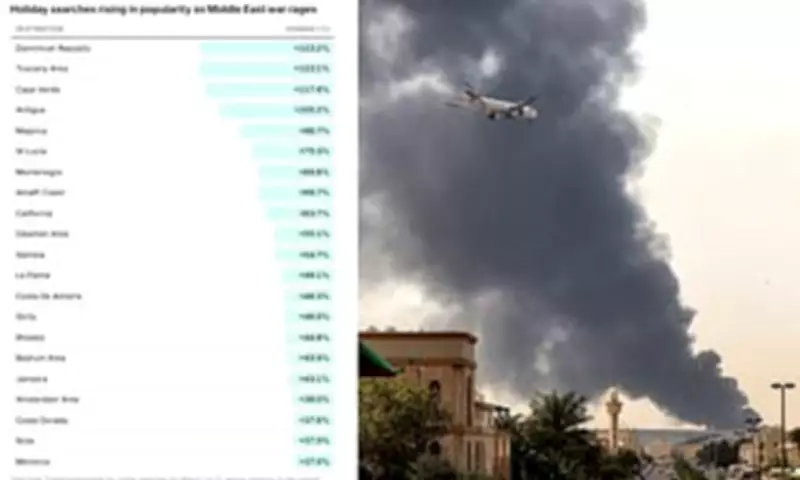
In response, travellers are shifting their preferences. Comparison website TravelSupermarket reported surging interest in Atlantic and European destinations away from the conflict zone. Searches for the Dominican Republic rose by 123 per cent between March 1 and 11, while Antigua, Cape Verde, and Italy's Tuscany more than doubled in popularity.
British Airways Holidays confirmed increased interest in Caribbean holidays, with Barbados searches up 46 per cent and Antigua up 63 per cent compared to last year. Similarly, searches for Indian Ocean destinations like the Maldives and Mauritius have risen by 32 per cent and 42 per cent, respectively.
Airline-Specific Cancellations and Adjustments
Numerous airlines have implemented extensive cancellations and schedule changes:

- Aegean Airlines: Canceled flights to Tel Aviv, Beirut, Amman, Erbil, Baghdad, Dubai, and Riyadh until various dates in April and May.
- Air Baltic: Suspended all flights to Tel Aviv until April 5 and to Dubai until October 24.
- Air Canada: Canceled flights to Tel Aviv until May 2 and to Dubai until March 28.
- British Airways: Extended cancellations to Amman, Bahrain, Dubai, and Tel Aviv until May 31, with Doha suspended until April 30 and Abu Dhabi until later this year.
- Delta: Paused services from New York to Tel Aviv until March 31 and delayed the restart of Atlanta to Tel Aviv flights until August.
- Emirates and Etihad: Operating reduced or limited flight schedules following partial airspace reopenings.
- Lufthansa Group: Suspended flights to multiple Middle Eastern destinations, including Tel Aviv, Beirut, Dubai, and Abu Dhabi, through late March or April.
- Qatar Airways: Temporarily suspended scheduled operations due to Qatari airspace closure, with a revised limited schedule from March 18 to 28.
- Turkish Airlines: Canceled flights to Iraq, Syria, Lebanon, Jordan, and Gulf hubs until mid-March.
- Wizz Air: Suspended flights to Israel until March 29 and to Dubai, Abu Dhabi, Amman, and Jeddah from European destinations until September.
Economic and Consumer Implications
The Middle East's tourism industry is losing an estimated $600 million (£448 million) daily in visitor spending, according to the World Travel and Tourism Council. In Dubai alone, which welcomed 19.6 million visitors in 2025, the conflict has thrown the tourism sector into chaos. The UK Foreign Office advises against all but essential travel to the United Arab Emirates, likely reducing the 75,000 Brits who visited Dubai last Easter to near zero this year.
MPs were warned that holiday air fares are set to increase due to the crisis, with jet fuel prices rising from $2.50 to $3.93 per gallon since the war began. Delta's chief executive noted this amounts to roughly $400 million in additional costs so far. While airlines like Delta, American, and United report strong ticket sales offsetting higher costs, prolonged price surges may lead to further fare hikes or increased charges for premium add-ons such as seat upgrades and baggage fees.
Travel companies, including On The Beach, have suspended annual guidance due to a significant slowdown in demand for destinations like Turkey, Greece, Cyprus, and Egypt. Ryanair's boss observed a collapse in bookings to the Middle East and a surge in short-haul European travel.
As the conflict continues with no end in sight, the global travel industry faces ongoing uncertainty, with airlines and tourists alike adapting to a rapidly changing landscape.