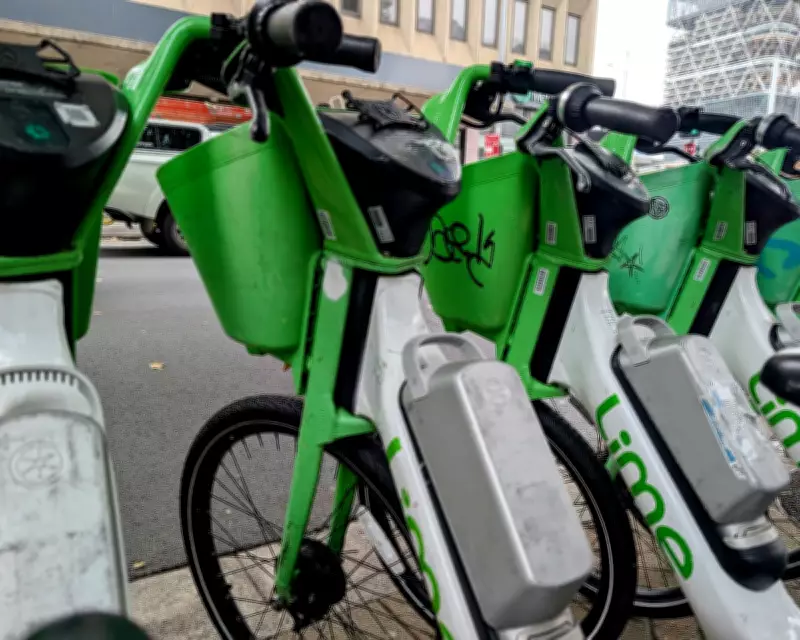
Lime Ebike Safety Check: Most Bikes Structurally Sound, But Hazards Persist
A recent investigation by Guardian Australia into Lime's ebike fleet in Sydney has uncovered that while the majority of bikes are structurally safe for use, significant safety hazards remain. The survey, conducted in January with a professional mechanic, inspected 72 bikes across the city, highlighting issues such as missing helmets, broken spokes, and worn tyres that could endanger riders and pedestrians alike.
Missing Helmets and Structural Damage
The inspection revealed that 25 older-generation bikes and 12 newer models were missing helmets, putting riders at risk of breaking Australian law and facing injury. Mechanic Amy Webb from Laneway Cyclery noted that this is a critical flaw, as helmets are essential for safety. Additionally, many bikes showed signs of damage from being knocked over, including cracked baskets, broken spokes, and dangling lights, which can obstruct footpaths and create hazards for those with mobility aids.
Webb expressed frustration at the careless parking of these bikes, stating, "People who are in wheelchairs, mobility scooters or with prams are going to have a hard time navigating around them." One particularly alarming find was a bike with a bent helmet holder, its basket filled with chicken wings and a cigarette instead of safety gear.

Common Hazards and Rider Risks
Beyond missing helmets, the survey identified other dangers. Ten bikes had smooth back tyres with deteriorated treads, visible down to the yellow or blue layers underneath. Webb warned that such tyres offer no grip, especially in wet conditions, leading to potential skidding. Broken spokes were also a concern, with one bike having six snapped spokes, which could cause wheel buckling over time.
Trash in baskets, including items like dog poo, condoms, and coffee cups, was common and posed a risk if it fell through cracks into the front tyre. Loose wheel guards, found on nine bikes, could wedge wheels or wear away rubber, increasing the chance of accidents. While issues like flat tyres or broken brakes were not encountered in this survey, they have been reported by users in the past.
Overall Safety and Lime's Response
Despite these hazards, most bikes inspected were deemed safe to ride, with Webb noting that older bikes, though worn, are often structurally sound, and newer models are in "great condition." However, a similar test in London in 2025 found more worrying results, indicating variability in safety standards.
Lime, the largest share scheme operator in Australia, claims over 99% of trips are incident-free. The company's Asia Pacific head, Will Peters, explained that bikes are checked during routine inspections and battery changes, with faulty ones removed from the hiring pool. Yet, the survey observed bikes with missing helmets or damage that had been neatly rearranged into racks by Lime crews.
Peters attributed some damage to irresponsible riders and "kids doing burnouts," vowing to ban those who misuse bikes. He also defended Lime against criticism, comparing complaints to nimbyism, but committed to improving parking enforcement in suburban areas to enhance public perception and safety.
Rising Concerns and Regulatory Measures
Safety concerns around ebikes have escalated with their popularity. In New South Wales, ebikes were involved in five deaths and 250 injuries in the first eight months of 2025, prompting the government to introduce a clutter levy and reduce power limits. Data from local councils shows incidents ranging from hospitalisations to minor accidents, though Lime disputes the severity.
As Lime expands into major cities with updated bike models, this survey underscores the need for ongoing vigilance from both the company and riders to ensure safety on the streets.