London's Rickshaw Crackdown: New Rules Target Rip-Off Fares and Safety
Transport for London is launching a major regulatory crackdown on pedicabs, following widespread reports of exorbitant fares and safety concerns that have plagued the capital's streets. The move comes after numerous incidents where tourists were charged hundreds of pounds for brief journeys, with one family reportedly paying £450 for a seven-minute ride covering just over a mile.
End of the 'Wild West' Era
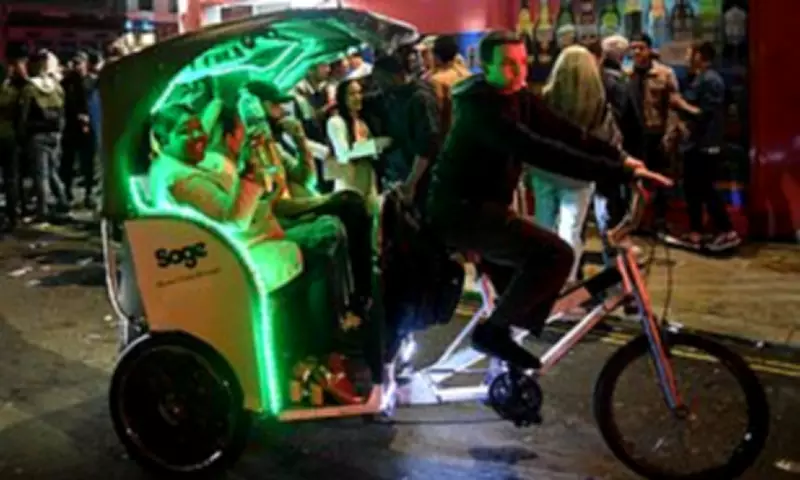
For years, unregulated rickshaws have operated without any price controls or safety standards, creating what MPs have described as a 'Wild West' environment in parts of London. These pedal-powered vehicles have been accused of swindling vulnerable tourists out of thousands of pounds while causing traffic chaos through reckless driving and illegal parking.
The lack of regulation has allowed drivers to charge whatever they please, with some reportedly shifting decimal points on card machines or charging twice for the same journey. One tourist even alleged being charged £1,300 for a single ride, highlighting the extent of the problem.

New Regulatory Framework
Under the new rules set to take effect from October 30, rickshaw operators will face comprehensive requirements designed to professionalize the industry. Drivers will need to pass safety tests, obtain driving theory certificates, meet English language requirements, and pay for both vehicle and personal licenses.
The licensing regime will require an annual £100 fee for vehicles and £114 for drivers, while operators must maintain premises in London, conduct fire risk assessments, and perform basic DBS checks on staff.
Fare Caps and Safety Standards
Perhaps most significantly, TfL will implement strict fare controls for the first time. The proposed structure includes a maximum base fare of £5, followed by £1 per minute for the first passenger and £3 per minute for each additional passenger. These caps are designed to prevent the outrageous charges that have become commonplace while ensuring drivers can still earn above the London Living Wage.
Safety improvements will be equally comprehensive. Pedicabs will be banned from blaring loud music, must display number plates, and will require regular safety inspections to ensure road-worthiness. Vehicles must meet basic road legal standards that have been largely absent until now.
Long-Standing Safety Concerns
The regulatory push addresses longstanding safety worries that have surrounded rickshaws. A Transport Research Authority crash test conducted two decades ago revealed that pedicabs 'disintegrated' when struck by a car traveling at 30mph, with any such collision 'likely resulting in injury to passengers.'
Steve McNamara, general secretary of the Licensed Taxi Drivers' Association, has been particularly vocal about these safety issues, questioning how TfL can license vehicles that safety experts wouldn't allow their own staff to ride at speeds above nine miles per hour. He cited a recent incident on Charing Cross Road involving a stolen rickshaw as evidence of the inherent dangers.
Industry Transformation
London Mayor Sir Sadiq Khan, who has campaigned for years to regulate the industry, welcomed the changes. 'Pedicabs should be a fun way to explore London - but too often people face rip-off fares, blaring music and unsafe behaviour,' he stated. 'We're bringing in these new rules so that both customers and drivers can benefit from an industry that is safer, more reliable, and professional.'
The regulations aim to transform rickshaws from their current reputation as dangerous, exploitative vehicles into legitimate contributors to London's night-time economy. As the only previously unregulated form of public transport in the capital, pedicabs will now operate under the same oversight framework that governs other transport services.
The Daily Mail's own investigation last year revealed the extent of the problem, with a reporter charged £40 for a 0.3-mile journey from Leicester Square to Covent Garden. Drivers have reportedly become aggressive when challenged about prices, and some have openly admitted charging up to £100 for 20-minute rides while specifically targeting tourists.

With the new regulations, TfL hopes to create a safer, fairer environment for both passengers and drivers while eliminating the predatory practices that have tarnished London's reputation among visitors. The changes represent the most significant overhaul of pedicab regulation since the vehicles first appeared on London's streets.