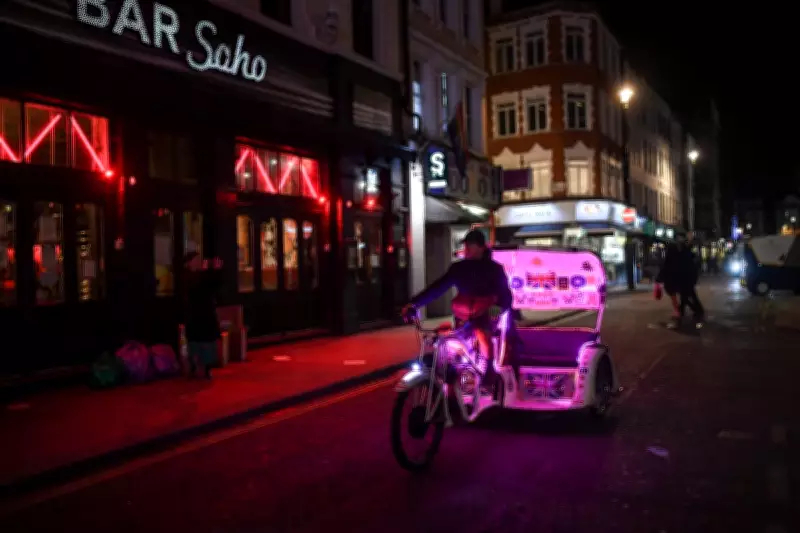
London's iconic rickshaw riders are poised to encounter unprecedented regulations, as new rules aim to eliminate exorbitant fares and curb excessive noise from pedicabs across the capital. Under a forthcoming scheme by Transport for London (TfL), operators must secure a licence, demonstrate proficiency in the English language, pass a rigorous safety examination, and hold at least a driving theory test certificate. This initiative responds to mounting concerns from MPs, who have previously likened parts of London to a 'Wild West' due to unregulated pedicabs, with reports of tourists being charged hundreds of pounds for brief journeys.
Fare Caps and Licensing Requirements
TfL has proposed a comprehensive cap on all rickshaw fares, setting a maximum base fare of £5, followed by £1 per minute for the first passenger and £3 for each additional passenger. Both the new licensing regime and these maximum journey fares are scheduled to take effect from 30 October this year. Mayor of London Sir Sadiq Khan has expressed strong support for these measures, advocating for a safer and more professional industry that protects both residents and visitors.
Addressing Safety and Professionalism
The regulations mark a significant shift towards standardising the pedicab sector, which has long operated without formal oversight. By requiring licences and safety checks, TfL aims to enhance passenger security and reduce incidents of overcharging and disruptive behaviour, such as blaring music from rickshaws. This crackdown follows years of complaints about unscrupulous operators exploiting tourists, particularly in busy areas like Soho in central London.

Industry stakeholders and local authorities anticipate that these changes will foster a more reliable and transparent service, aligning with broader efforts to improve urban transport standards. The move underscores a commitment to balancing tradition with modern regulatory needs, ensuring that rickshaws remain a viable part of London's transport ecosystem without compromising on fairness or public order.