

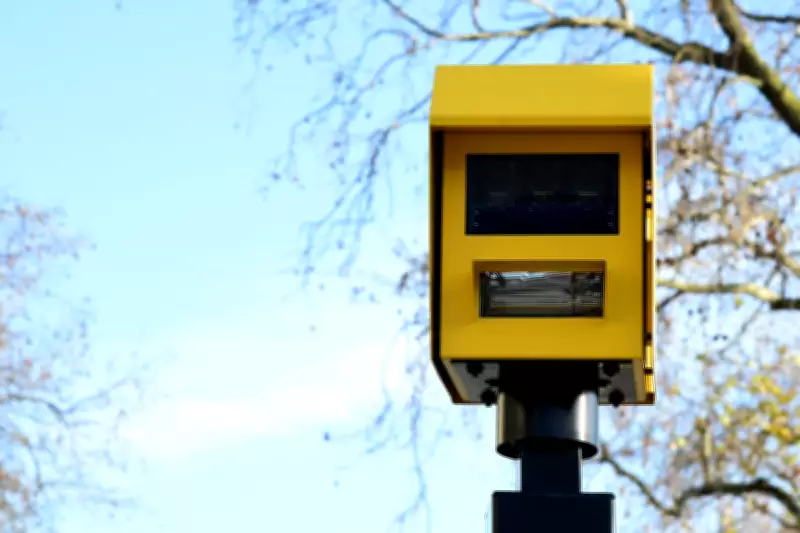
London to Deploy Advanced '4D' Speed Cameras in Major Road Safety Trial
London is set to introduce cutting-edge '4D' speed cameras that operate without a flash as part of a significant initiative aimed at reducing road casualties across the capital. The advanced devices, which utilise sophisticated imaging radar technology, are capable of detecting speeding vehicles across five lanes of bi-directional traffic.
Enhanced Detection Capabilities
The new cameras represent a substantial technological upgrade from existing systems. Unlike most current cameras that can only monitor three lanes in one direction, these devices can cover up to five lanes in both directions simultaneously. They do not require road markings to function and can capture crucial data including distance, elevation, and direction of travel.
Transport for London (TfL) has confirmed that the cameras will be trialled in nine London boroughs: Haringey, Tower Hamlets, Havering, Croydon, Hammersmith and Fulham, Brent, Hackney, Ealing, and Sutton. Initial deployment will focus on areas with 20mph or 30mph speed limits.

Safety Initiative and Official Statements
Siwan Hayward, TfL's director of security, policing and enforcement, emphasised the importance of this trial: "Speeding continues to be a major cause of the most devastating collisions on our roads. This trial allows us to test new radar-based camera technology to ensure it meets London's future enforcement needs."
The trial forms part of the 'Vision Zero for London' initiative by the Mayor of London's office, which aims to eliminate road deaths in the capital. The Metropolitan Police is collaborating with TfL on this project, with no fixed duration for the trial period - results will be continually assessed.
Broader Road Safety Concerns
While welcoming the new technology, the Institute of Advanced Motorists (IAM) has called for broader action on road safety issues. A spokesperson noted: "It is, however, worth noting that average speeds in London are below 20 mph, so we would also like to see enforcement focus on things like drivers illegally using mobile phones at the wheel alongside these new trials."
The IAM described the technology as an "opportunity to change behaviour" given poor compliance with 20mph speed limits in London.
Police Perspective and Future Implications
Detective Chief Superintendent Donna Smith of the Met's Roads and Transport Policing Command stated: "It is tragic whenever anyone is killed or seriously injured on our roads, and speeding remains a major factor. Working alongside TfL, the Met will use every tool available, including new radar-based camera technology, to deter dangerous driving and support Vision Zero's ambition of eliminating deaths on London's roads."
She added that the trial would improve reliability and deliver better quality images, helping officers hold offenders accountable and creating a modern enforcement system designed to save lives. This technological advancement represents a significant step forward in London's ongoing efforts to enhance road safety through innovative enforcement methods.






