Munich Airport and Lufthansa Vow Reforms After Snowstorm Strands 600 Passengers
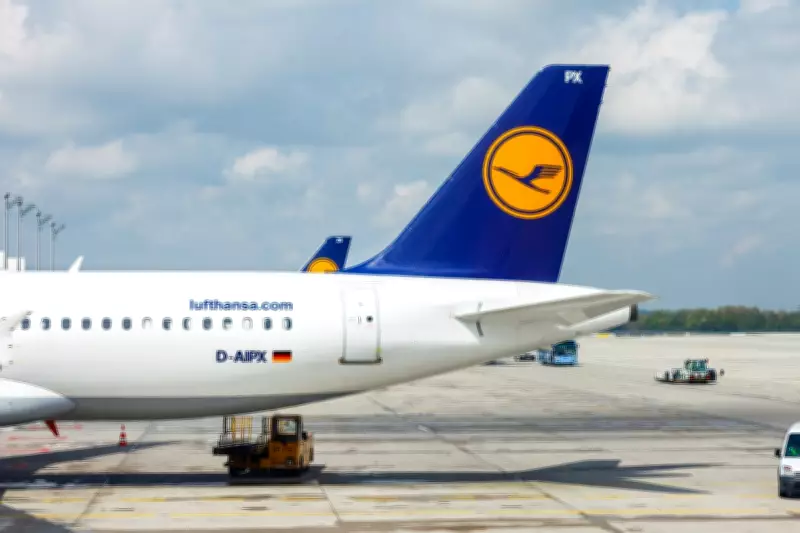
Munich Airport and Lufthansa have pledged to overhaul their emergency protocols following an incident where approximately 600 passengers were left stranded overnight on six planes during a severe snowstorm last week. Both organisations issued formal apologies, describing the event as "unacceptable" and committing to implement new measures to prevent any recurrence.
Passengers Endure Hours of Hardship with Sparse Updates
On 19 February, passengers endured hours aboard aircraft with severely limited access to food or blankets, receiving only sparse updates from crew members throughout the ordeal. The situation drew sharp criticism from pilot and firefighter unions, while local politicians expressed concerns that the incident could damage Munich's reputation as a critical transit hub in Europe.
Lufthansa's Hub Manager for Munich Airport, Heiko Reitz, acknowledged the failings at a joint press conference, stating: "We, Munich Airport and Lufthansa, made mistakes that night and together we take responsibility." He emphasised that both entities are now focused on improving coordination and readiness for future disruptions.

Operational Shortfalls and Night Curfew Exacerbate Delays
Key factors contributing to the delays included a lack of available terminal space, stretched bus capacity, and staff shortages, all exacerbated by Munich Airport's strict night curfew between midnight and 5am. Although takeoff permission was extended to 1am on the night in question to clear weather-delayed departures, as approved by the Ministry of Transport, this proved insufficient.
A spokesperson for Munich Airport explained: "Due to the exceptional weather conditions, these aircraft had to turn back unexpectedly. Heavy, wet snowfall led to longer than average de-icing times and the need to close runways at short notice for snow clearance. As a result, the affected aircraft were unable to meet the 1am deadline."
The spokesperson added that terminal capacity was already occupied by cancelled flights parked during the day, forcing late-returning aircraft to be parked in remote positions. Bus services were "severely limited" due to the late hour, further complicating passenger transfers.
Affected Flights and Passenger Experiences
Affected flights included five Lufthansa Group journeys to Copenhagen, Singapore, and Gdansk, along with two flights to Graz and Venice operated by Air Dolomiti, a Lufthansa Group subsidiary. An additional flight operated by Air Arabia was also grounded due to the extreme weather conditions.
One particularly impacted journey was Lufthansa flight LH2446, scheduled to depart Munich at 9.30pm for a 90-minute flight to Copenhagen. Passengers remained onboard at a remote stand for up to seven hours before buses finally arrived to return them to the terminal building. Many were rebooked onto the first available departure to Copenhagen in the early hours of Friday morning.
Compensation and Future Preventative Measures
Lufthansa has since begun contacting affected travellers to process compensation claims, as part of their response to the incident. The airline and airport have jointly pledged to improve their emergency response strategies, focusing on better resource allocation and communication during similar weather-related disruptions.
This commitment aims to restore passenger confidence and ensure that Munich maintains its status as a reliable and efficient European aviation hub, despite the challenges posed by unpredictable winter weather events.