

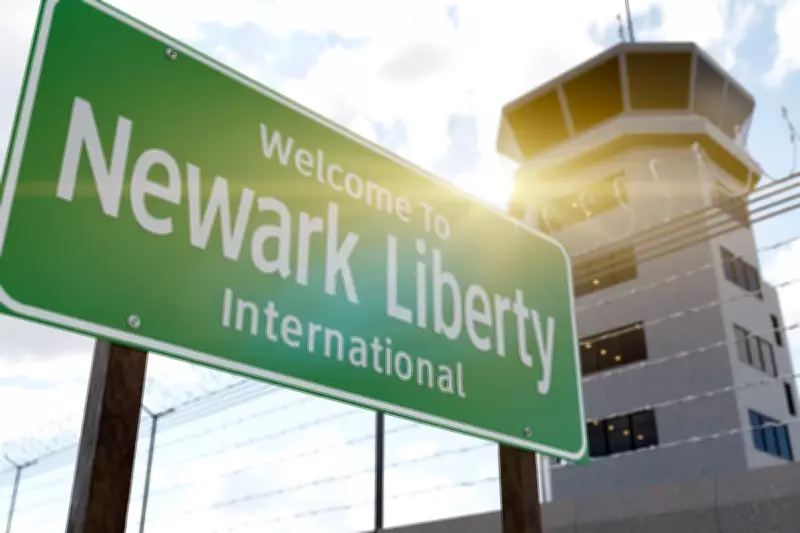
Newark Airport Temporarily Halts All Flights Following Control Tower Evacuation
Newark Liberty International Airport experienced a brief but significant operational disruption on Monday, 23 March 2026, after air traffic controllers were forced to evacuate their control tower due to a concerning burning smell emanating from an elevator. The incident led to a temporary suspension of all arrivals and departures at the major transportation hub.
FAA Confirms No Fire and Swift Resolution
The Federal Aviation Administration (FAA) swiftly responded to the situation, confirming that no actual fire was detected despite the alarming odour. Officials stated that the disruption lasted for less than an hour, with no injuries reported among passengers, crew, or airport personnel. During the operational pause, FAA staff were efficiently relocated to a backup tower facility to maintain essential air traffic control functions before safely returning to the primary tower once the all-clear was given.
Incident Unrelated to LaGuardia Airport Collision
Airport authorities were quick to clarify that this incident at Newark was entirely unrelated to a separate, tragic accident that occurred the previous night at New York's LaGuardia Airport. At LaGuardia, a Jazz Aviation flight arriving from Montreal collided with a Port Authority truck on the runway, resulting in 41 passengers and two officers being hospitalised. Former President Donald Trump commented on the LaGuardia collision, stating, "They made a mistake. It's a dangerous business. That's terrible."

Operational Impact and Safety Protocols
The temporary flight suspension at Newark Airport underscores the critical importance of safety protocols in aviation operations. Key points from the incident include:
- Evacuation Trigger: The burning smell, specifically traced to an elevator in the control tower, prompted the immediate evacuation as a precautionary measure.
- Backup Systems: The seamless transition to a backup tower demonstrated the robustness of the FAA's contingency planning, ensuring minimal disruption to air traffic management.
- Public Assurance: Officials emphasised that the situation was resolved quickly and posed no ongoing threat to airport operations or public safety.
This event highlights the aviation industry's stringent response mechanisms to potential hazards, even when they prove to be false alarms, prioritising passenger and staff safety above all else.






