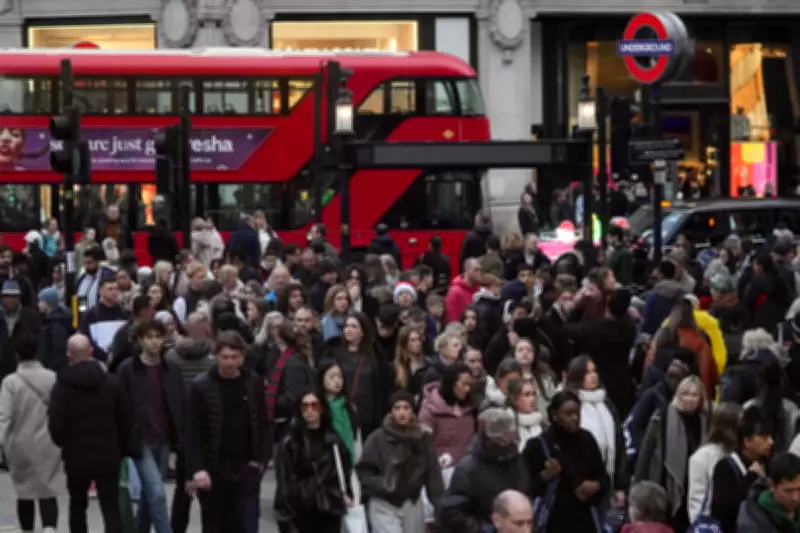
Major works to transform a central section of London's world-famous Oxford Street into a pedestrian-only zone are set to commence this summer, as Mayor Sadiq Khan pushes forward with ambitious plans to rejuvenate the iconic shopping thoroughfare.
A Bold Vision for Urban Renewal
In a significant announcement on Thursday, Mayor Khan confirmed that all vehicular traffic, including bicycles, will be permanently banned from a key 0.7-mile (1.1-kilometre) stretch of Oxford Street, running from Oxford Circus in the centre to Marble Arch at its western end. This pedestrianisation project represents a core component of the mayor's strategy to restore Oxford Street's status as a premier global destination for shopping, leisure, and outdoor events.
Timeline and Implementation
The construction works to pedestrianise this portion of the 1.2-mile (1.9-kilometre) street are scheduled to begin in the coming summer months. The initial traffic-free section is expected to be operational by the end of this year, marking a substantial shift in how one of London's busiest areas functions.

"I am delighted to be moving forward with my bold vision to transform Oxford Street into a world-leading urban space," Khan stated, emphasising the project's potential to boost the local economy and enhance the visitor experience. The mayor's office highlighted that the plans received extensive backing from the business community during a formal consultation conducted by Transport for London (TfL), the authority responsible for the capital's public transport network.
Challenges and Historical Context
This initiative follows a previous, unsuccessful attempt by Mayor Khan in 2018 to pedestrianise part of Oxford Street, which was blocked by the Conservative-controlled local council. To overcome such obstacles this time, Khan secured permission from the Labour government to establish a new Mayoral Development Corporation, granting him enhanced planning powers. Concurrently, TfL has assumed control of the road from the local authority, facilitating the project's progression.
The changes will inevitably pose logistical challenges, particularly for rerouting the numerous buses and taxis that currently traverse Oxford Street. Steve Gooding, director of the motoring research charity at the RAC Foundation, noted, "In densely developed and historic cities like London, there will always be keen competition for the limited road space available, resulting in contentious political decisions as to who gets priority."
Reviving a Global Icon
Oxford Street, located in London's West End, attracts approximately half a million visitors daily and is home to flagship stores of major retailers such as Marks & Spencer and John Lewis, alongside standalone destinations like the Selfridge's department store. However, the area has experienced a decline in popularity in recent decades, attributed to the rise of online shopping and the emergence of new large retail complexes across the capital. Escalating business costs, including rents and rates, have further compounded these struggles.
Once considered a must-visit tourist attraction on par with Paris's Champs-Élysées, Oxford Street's revitalisation through pedestrianisation aims to counter these trends, creating a more attractive and sustainable environment for both businesses and the public. This project underscores a broader effort to adapt urban centres to changing retail landscapes and enhance quality of life in major cities.