Party Balloon Mistaken for Cartel Drone Sparks Major Aviation Crisis
A simple party balloon drifting in the wind over the Texas desert has triggered a dramatic feud between federal agencies, resulting in the unprecedented closure of El Paso's airspace for ten full days. The grounding, which began on Tuesday, marked the first such extensive shutdown since the 9/11 terrorist attacks, according to CBS News reports.
Laser Attack on Innocuous Object
The crisis unfolded when U.S. Customs and Border Protection officials, recently trained by the military, deployed a high-energy laser weapon. They targeted what they believed was a Mexican cartel drone breaching American airspace. However, the object was later revealed to be nothing more than a party balloon, multiple sources confirmed to The New York Times.
This incident occurred amid heightened Pentagon planning to test drone-disabling technology near Fort Bliss in El Paso. Defense officials had accelerated deployment timelines, leading to the early use of the laser system. While the FAA had been informed of a ten-day window for weapon testing, the agency was not notified of the specific laser firing incident.

Sudden and Sweeping Airspace Closure
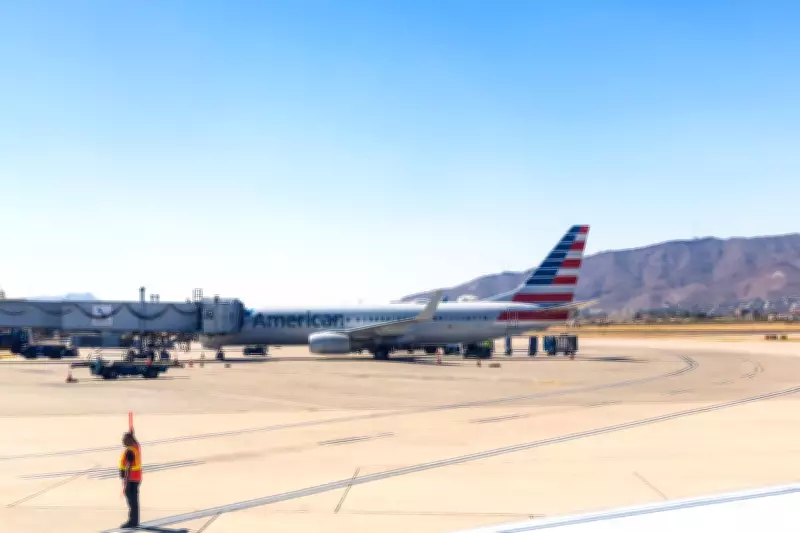
In response, FAA Administrator Bryan Bedford made the unilateral decision to close all flight operations at El Paso International Airport from February 11 to 21. The restriction, citing "special security reasons," covered a ten-nautical-mile radius from the ground up to 18,000 feet. A similar ban was imposed over a neighboring community in New Mexico.
The El Paso airport, the nation's seventy-third largest, serves over three million passengers annually. Data from aviation firm Cirium indicated that more than 1,000 flights were scheduled during the closure period, potentially disrupting thousands of travelers. The grounding affected commercial, cargo, and general aviation with minimal advance notice.
Airlines Scramble and Officials Outraged
Airlines reacted swiftly to the sudden prohibition. United Airlines announced that affected travelers could exchange tickets without fees or fare differences. Southwest Airlines notified customers and promised updates. However, the situation changed abruptly on Wednesday morning when the FAA lifted the closure, stating there was "no threat to commercial aviation" and that flights would resume normally.
Local and state officials expressed fierce criticism over the federal government's handling of the episode. El Paso Mayor Renard Johnson condemned the lack of coordination, stating, "You cannot restrict air space over a major city without coordinating with the city, the airport, the hospitals, the community leadership. That failure to communicate is unacceptable."
Congresswoman Veronica Escobar, representing El Paso, labeled the incident "the result of incompetence at the highest levels of the administration," while New Mexico Representative Gabe Vasquez warned of significant economic repercussions for the region. Multiple officials pledged to demand further explanations from the Trump administration in coming days.
Background on Military Technology and Cartel Threats
For years, the U.S. military has been developing high-energy laser weapons capable of neutralizing aircraft, including drones. The Trump administration has consistently highlighted the use of drones by Mexican cartels to smuggle illicit drugs across the border, justifying enhanced defensive measures. This context set the stage for the aggressive response to the perceived drone threat, which ultimately proved to be a mundane party balloon.